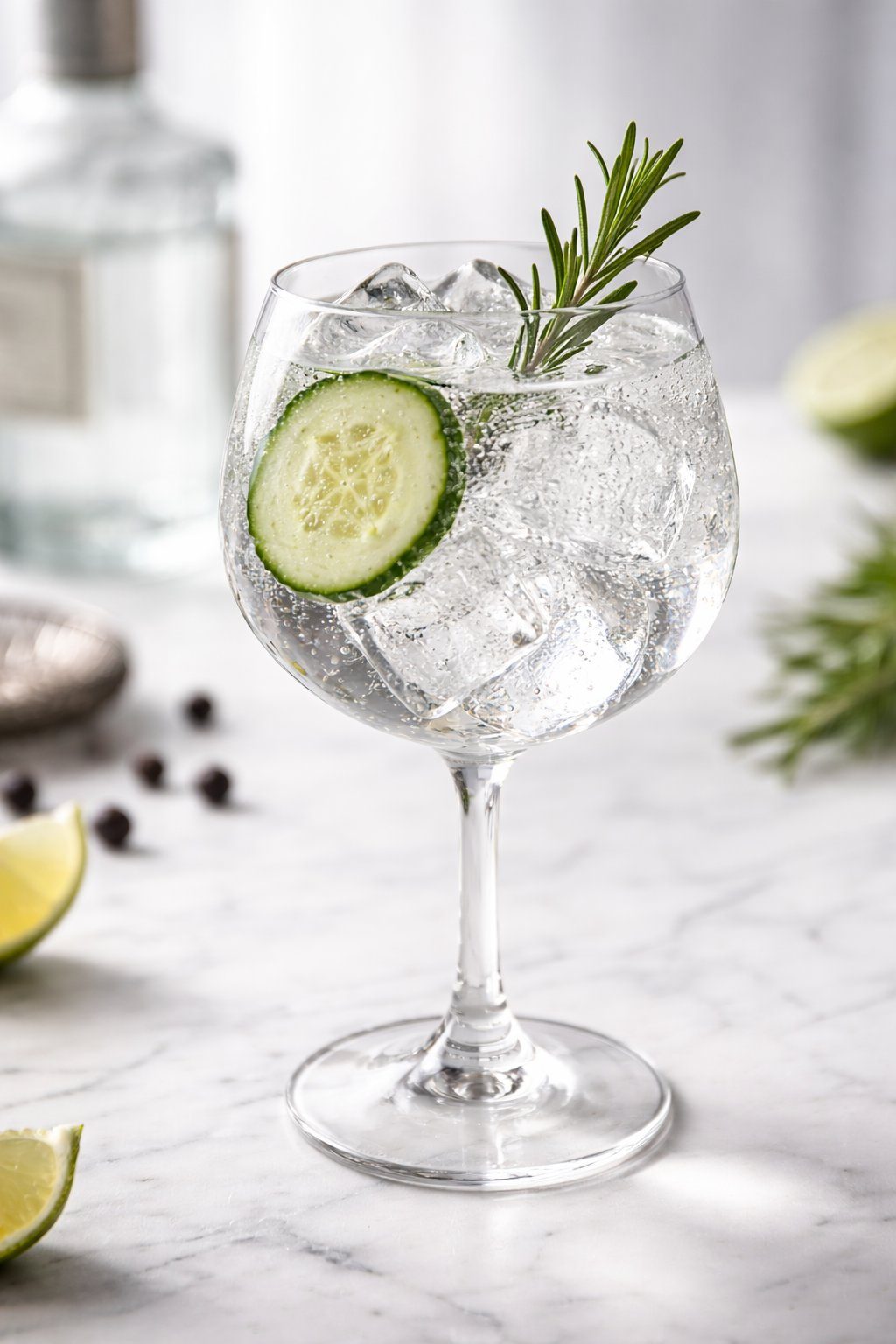
Gin gets dismissed as a polarizing spirit. People either love it or avoid it because of one bad experience. Both reactions miss the point.
Ian Fleming knew what gin was worth. When he created James Bond, he gave him a specific gin-forward cocktail in Casino Royale: three measures of Gordon's gin, one of vodka, half a measure of Kina Lillet, shaken until ice-cold, with a thin slice of lemon peel. Bond named it the Vesper, after the woman he loved. Fleming himself reportedly drank a bottle of gin a day while writing and admitted he found his own creation "unpalatable" when he finally tried it. Bond later switched to vodka martinis, but gin was always in the original formula. It's that kind of spirit, one that gets under your skin whether you want it to or not.
What Makes It Gin
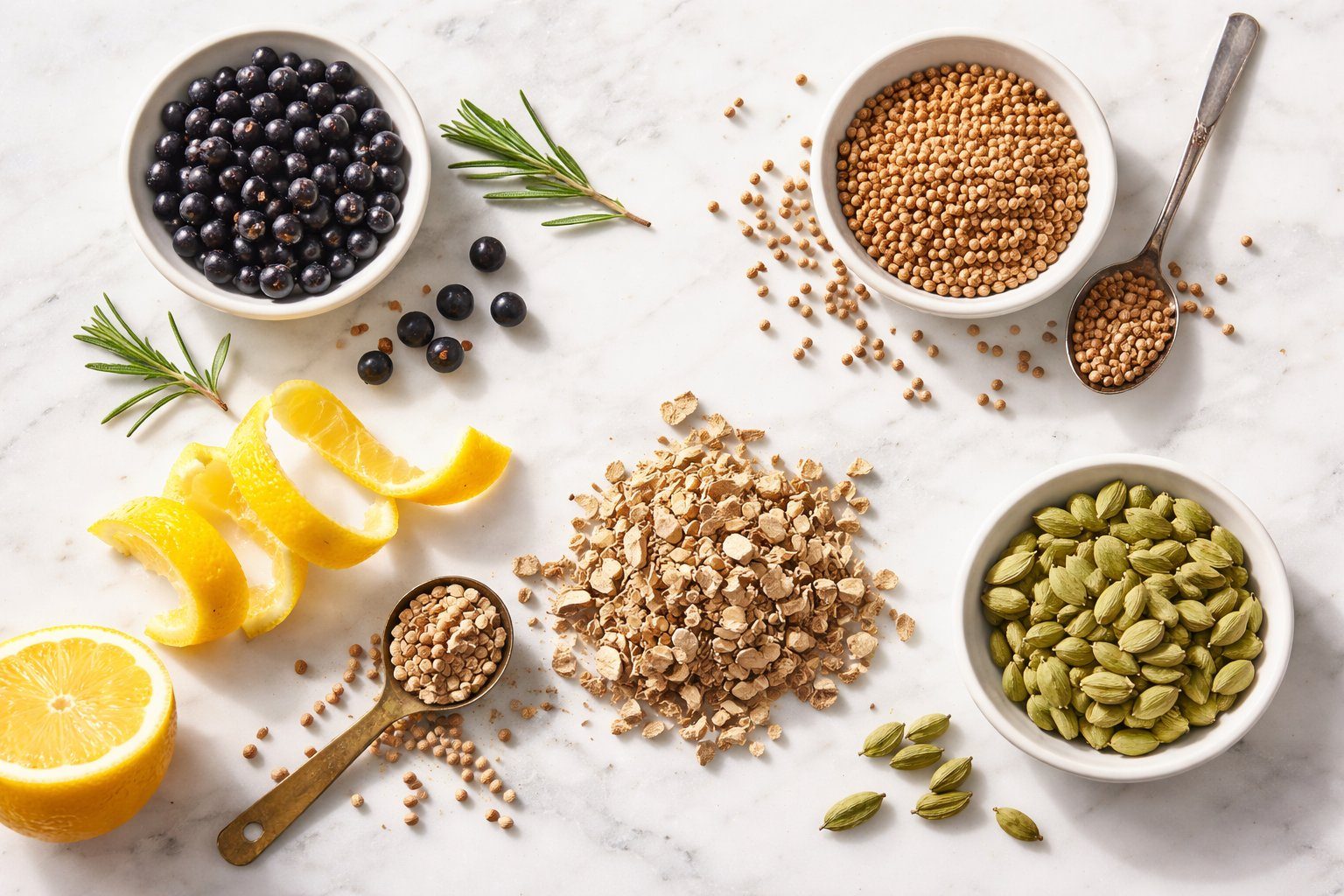
Gin is a neutral spirit redistilled with botanicals. Juniper is required, it's what defines the category. Everything else is up to the distiller. Coriander, citrus peel, angelica root, cardamom, cucumber. There are hundreds of possible combinations.
The Main Styles
London Dry The classic. Dry, juniper-forward, crisp. No added sweetness after distillation. The benchmark. Think Tanqueray or Beefeater. If you've never had good gin, start here.
Plymouth Slightly softer and earthier than London Dry. More rounded, less aggressive on the juniper. Only one distillery makes it: Black Friars in Plymouth, England.
New Western / Contemporary Turns the dial down on juniper and up on everything else. Floral, fruity, herbal. Hendrick's with its rose and cucumber notes is the most recognizable example. These are made for people who think they don't like gin.
Old Tom Slightly sweeter, sits between London Dry and genever. Good for classic cocktails that predate the dry gin era. Hayman's Old Tom is a reliable bottle.
Sloe Gin Technically a gin-based liqueur. Sloe berries steeped in gin, sweetened. Deep ruby color, fruity, lower ABV. Gordon's Sloe Gin is approachable. Plymouth makes a very good one too.
Navy Strength Bottled at 57% ABV or higher. The story goes that British naval officers tested their gin by pouring it on gunpowder: if it still lit, the spirit was strong enough. Full-flavored and intense. Sipsmith VJOP and Plymouth Navy Strength are both worth trying.
Indian Gins Worth their own mention. Brands like Hapusa, Greater Than, Stranger and Sons, and Jaisalmer are doing genuinely interesting things with native botanicals: Himalayan juniper, turmeric, gondhoraj lime. Indian gin is no longer an afterthought.
Genever The Dutch ancestor of gin. Malty, heavier, more whiskey-like. Worth trying if you're curious about where gin came from. Bols Genever is the standard reference point.
How to Drink It
A well-made gin and tonic with quality tonic water and a proper garnish is hard to beat. But gin also shines in a martini, a Negroni, or on its own over ice if you've found one you enjoy.
The botanical complexity that puts people off is the same thing that makes gin endlessly interesting. Give it a fair shot.