George Washington marched nearly 13,000 troops into Pennsylvania in 1794 to crush a revolt over Alexander Hamilton's whiskey tax, something no other sitting president has done since. That crackdown pushed distillers into Kentucky and Tennessee, where bourbon took root. William Laird had already been distilling apple brandy in New Jersey since 1698, and his company is still the oldest licensed distillery in the country. Hamilton's tax stuck too: distillers still pay $13.50 a proof gallon, 235 years later.
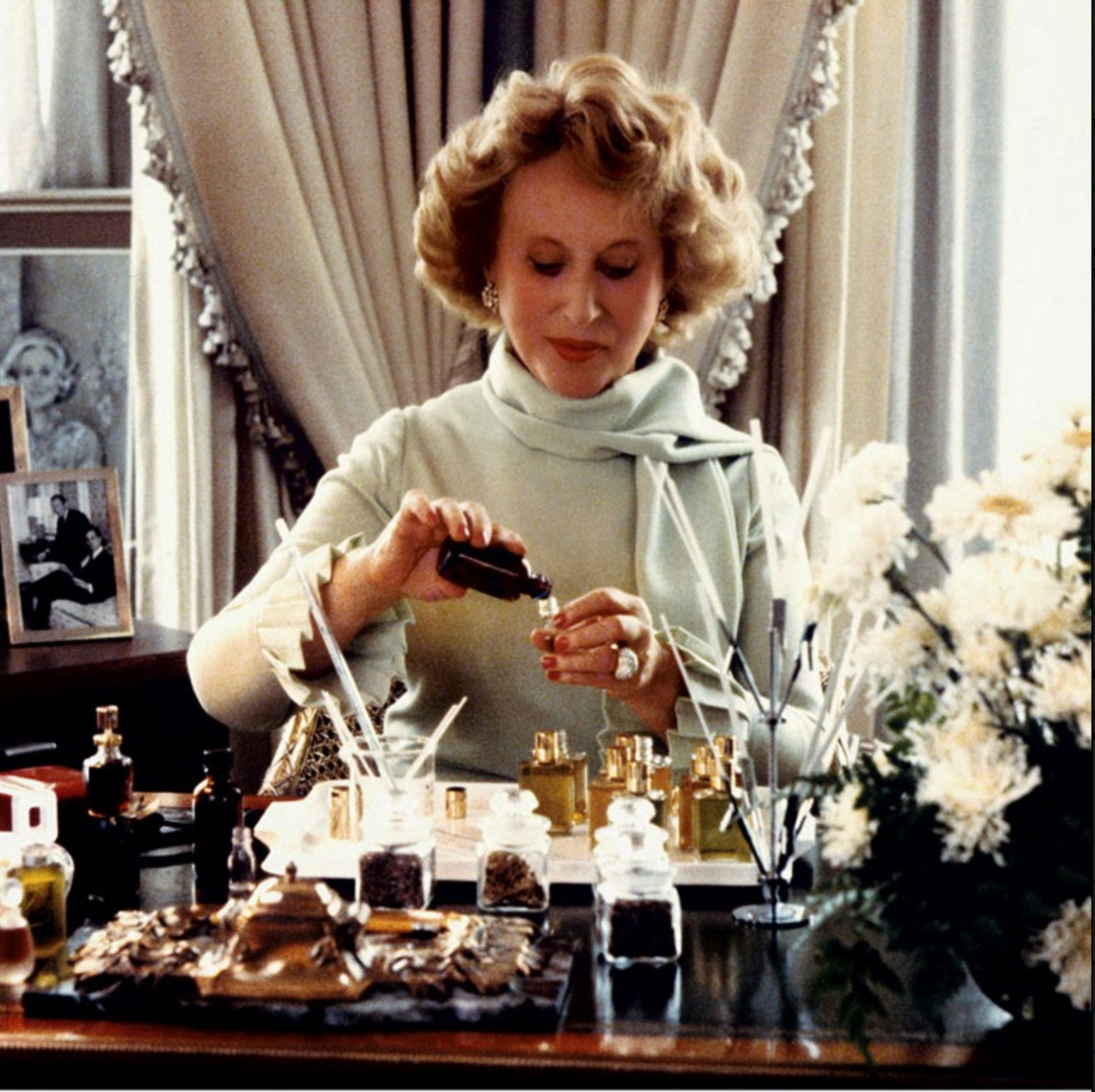
Estee Lauder broke her industry's own rule and built an empire on it. In 1953 she marketed Youth-Dew as a bath oil so women could buy perfume for themselves, not wait for a gift, and it worked: 50,000 bottles sold in year one, 150 million by 1984. She started the company in 1946 on a converted Manhattan restaurant's burners. The marketing machine that followed ran through fiction too: The Great Gatsby glamorized bootlegging more than any liquor ad of its era.
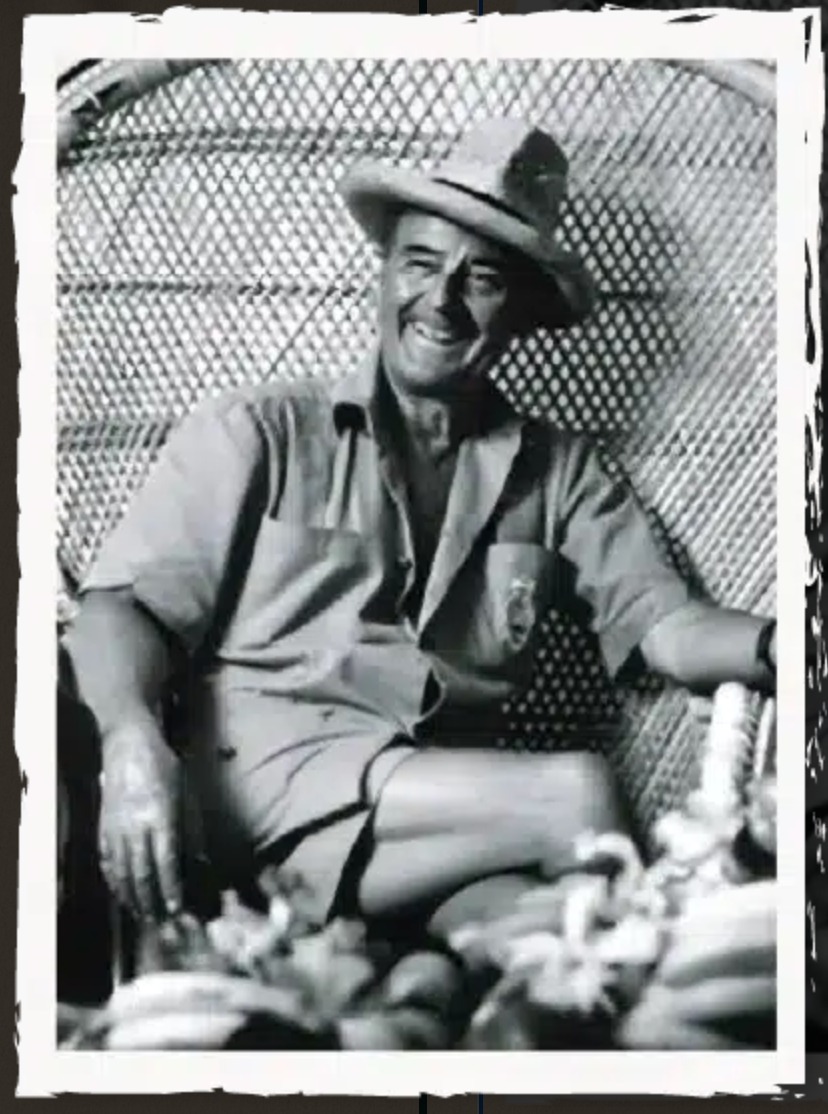
Donn Beach invented tiki out of driftwood and rum in a tiny Hollywood bar in 1933, despite barely setting foot in Polynesia himself. Victor Bergeron stole the idea, renamed his Oakland saloon Trader Vic's, and mixed the first Mai Tai there in 1944, starting a rivalry neither man dropped. The fantasy outlived them both: Trader Vic's still pours in Tokyo and Munich, and Fort Lauderdale's Mai-Kai has run since 1956.
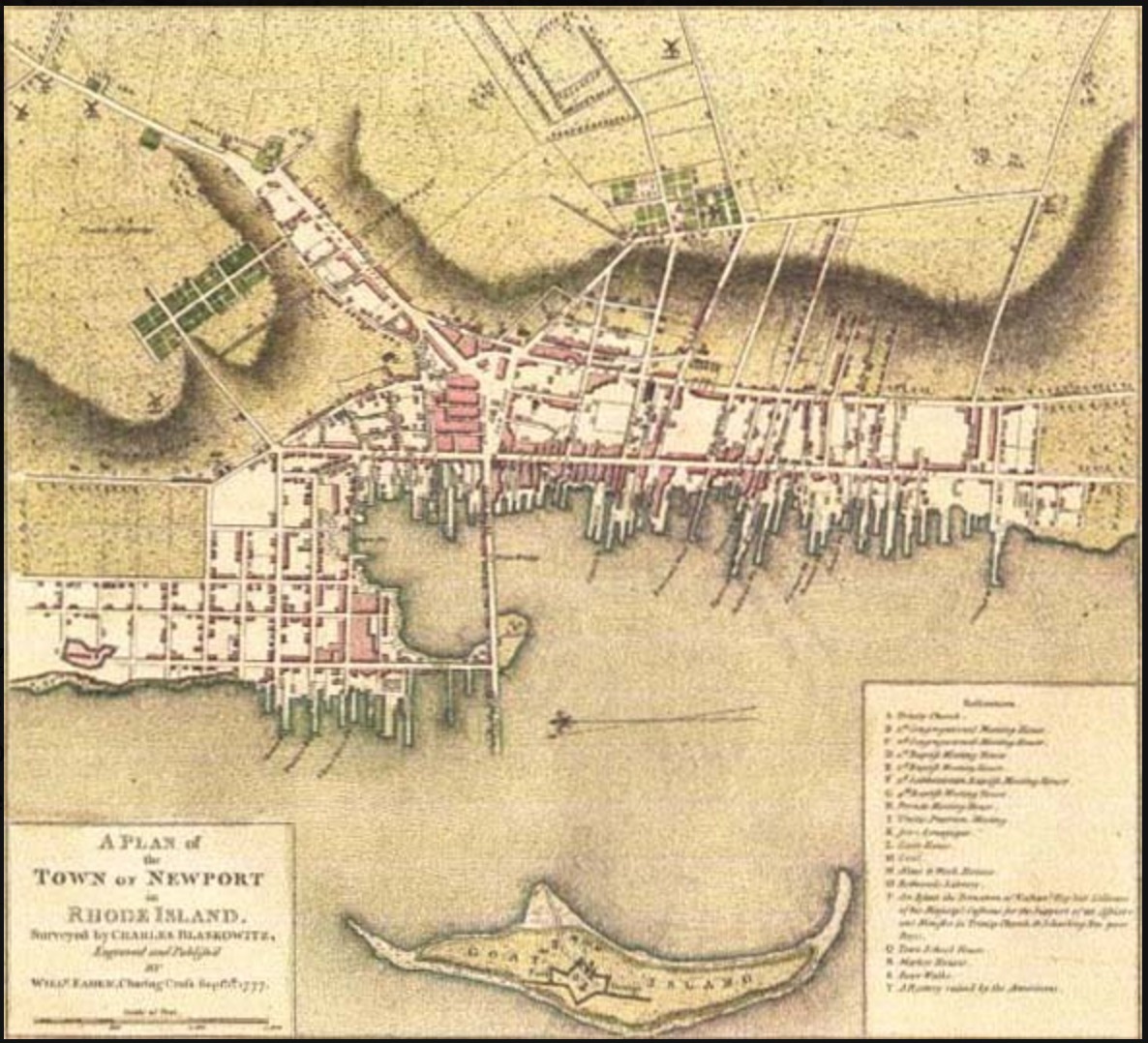
Rum, not whiskey, ran colonial America, built on a slave trade this piece doesn't leave out. Tequila is legally Mexican: since 1994, no American company can call anything made on US soil tequila, celebrity backing or not. Native nations had it worse: Congress banned distilling on tribal land in 1834 and didn't lift the ban for 184 years. Talking Cedar opened on tribal land in 2020, the first distillery built under the new law.
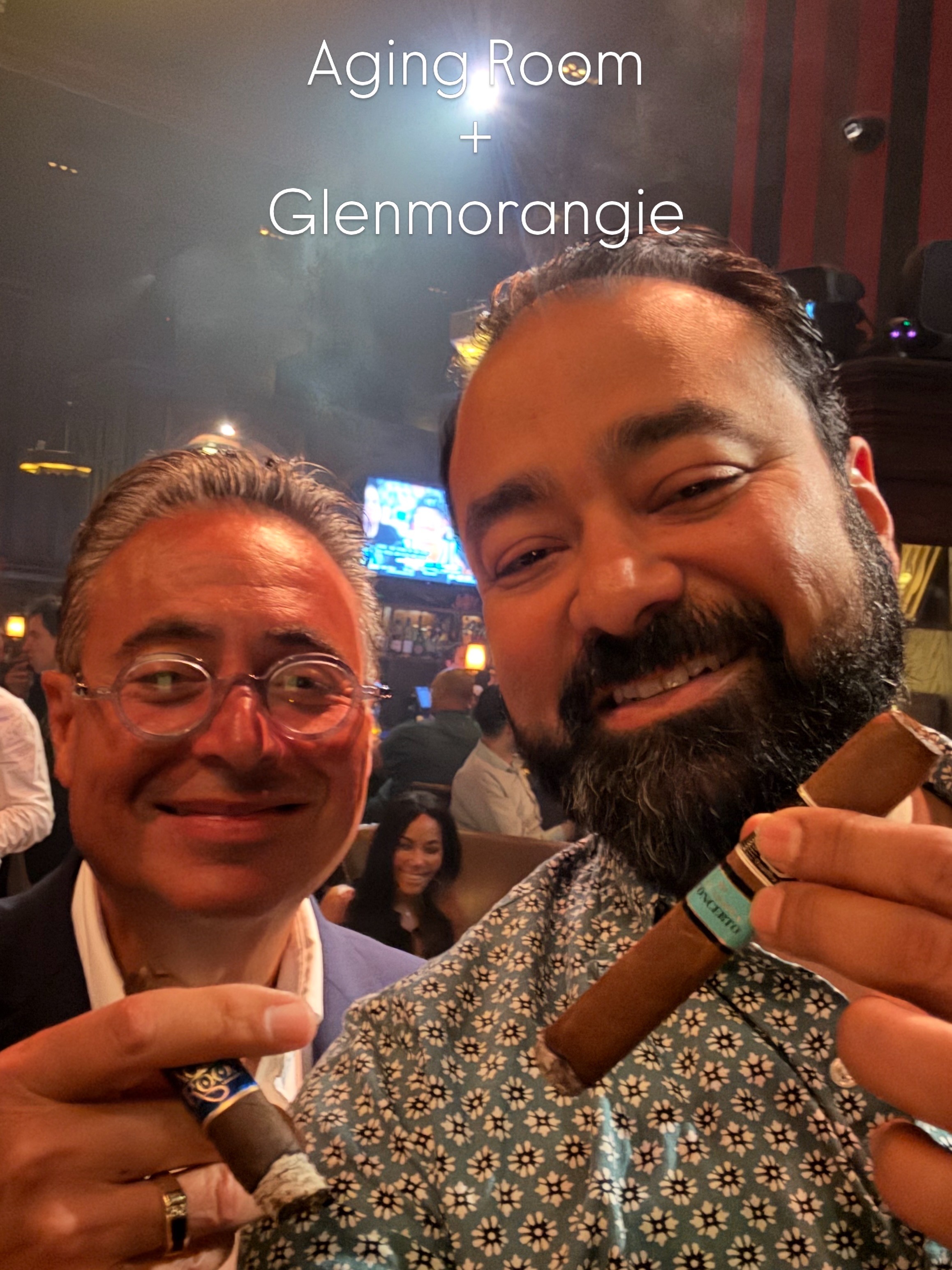
Kennedy stockpiled 1,200 of his favorite Cuban cigars the night before signing the 1962 embargo that banned them for everyone else. That signature exiled Cuba's cigar makers to Florida, and the fight over who owns the Cohiba name here is still in federal court. Connecticut shade tobacco, grown under cheesecloth since the 1820s, is the one leaf actually native to American cigar making. Rafael Nodal left Cuba on the 1980 Mariel boatlift and built Aging Room into one of the country's highest-rated boutique brands.
Want the full story?
Start the Five-Part Series →