Most people use Champagne as a catch-all word for anything sparkling. The problem with that is sparkling wine covers a wide range of styles and prices, most of them far cheaper than Champagne. Calling it all the same thing means you are either overpaying or underselling what is in your glass.
The differences are worth knowing.
The Geography Rule
Champagne is a place. Only sparkling wine produced in the Champagne region of northeastern France can legally carry that name, and it must be made from Pinot Noir, Pinot Meunier, or Chardonnay. The designation has been legally protected for nearly a century.
Everything else is sparkling wine. Cava from Spain, Prosecco from Italy, Cremant from other parts of France, and anything produced outside those geographic boundaries falls into a broader category regardless of quality.
The Method Gap
This is where the price difference comes from.
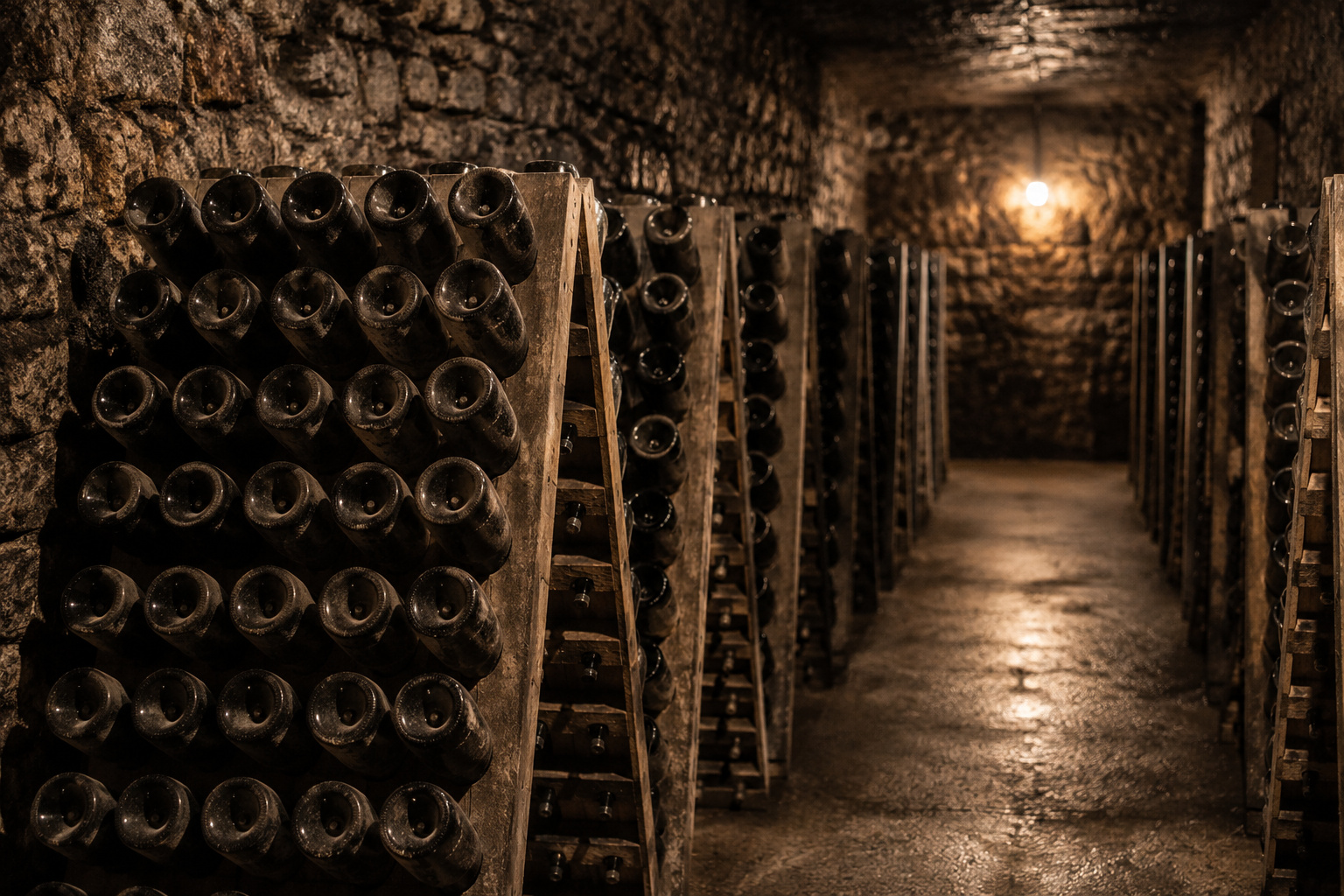
Bottles aging on lees in a traditional riddling rack. The process takes months and is still done by hand at the prestige houses.
Champagne is produced via the methode champenoise, where secondary fermentation happens inside the individual bottle. The wine then ages on the dead yeast cells, which produces the toasty, brioche-like character in a good non-vintage Brut. The process is slow and labor-intensive.
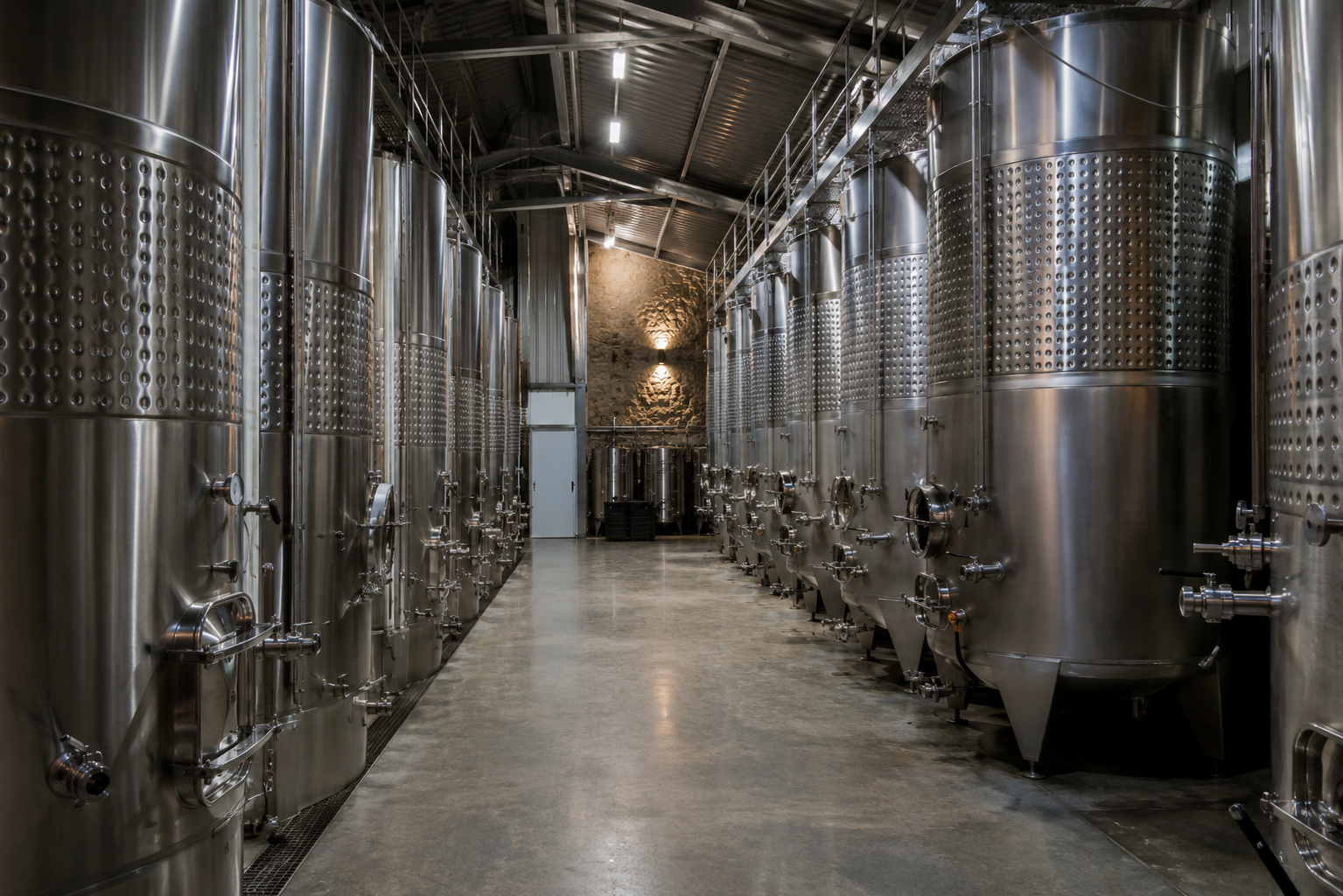
Prosecco ferments in large stainless steel tanks. Faster, cheaper, and lighter in character.
Prosecco ferments in large stainless steel tanks. The process is faster and significantly cheaper. The result is a lighter, fruitier wine with larger bubbles. It suits the style it is designed for.
Cava uses the same in-bottle method as Champagne, which is why it consistently overperforms its price point. Cava tends toward toast and brioche notes alongside pear and melon, and it shares Champagne's production discipline at a fraction of the cost.
Cremant deserves a mention here since it falls into the same category confusion as Champagne. Cremant is produced in other French wine regions using the same in-bottle method. Cremant d'Alsace, Cremant de Loire, and Cremant de Bourgogne are all made from local grape varieties with the same production discipline. A good Cremant at $20 to $35 competes seriously with entry-level Champagne on both method and character. Most people have never tried one.
What You're Actually Paying For
Part of the Champagne price is prestige. The brand equity built by houses like Taittinger, Krug, or Bollinger over generations carries real weight. I have a Taittinger Brut in my collection. It is not opening on a random Tuesday.
The rest of the price is legitimate, as a result of the geographic designation and everything it demands. The land in Champagne is among the most expensive agricultural real estate in the world. Aging requirements are strict. A non-vintage Brut must age for at least 15 months. A vintage Champagne requires at least three years.
There is also the riddling process. After the wine finishes aging on the lees, each bottle must be gradually rotated by hand, a quarter or eighth of a turn at a time, over weeks, tilting from horizontal to neck-down so the dead yeast sediment slides into the neck for removal. A skilled riddler can turn 40,000 to 60,000 bottles a day. The process takes six weeks or more per batch and is still done by hand for prestige cuvees at houses like Bollinger and Krug. That labor is built into what you pay.
Prosecco typically runs $12 to $30 per bottle. Cava and Cremant sit in a similar or slightly higher range. A decent non-vintage Champagne starts around $45. Prestige cuvees like Cristal, Dom Perignon, or Belle Epoque run into the hundreds.
When Each Makes Sense
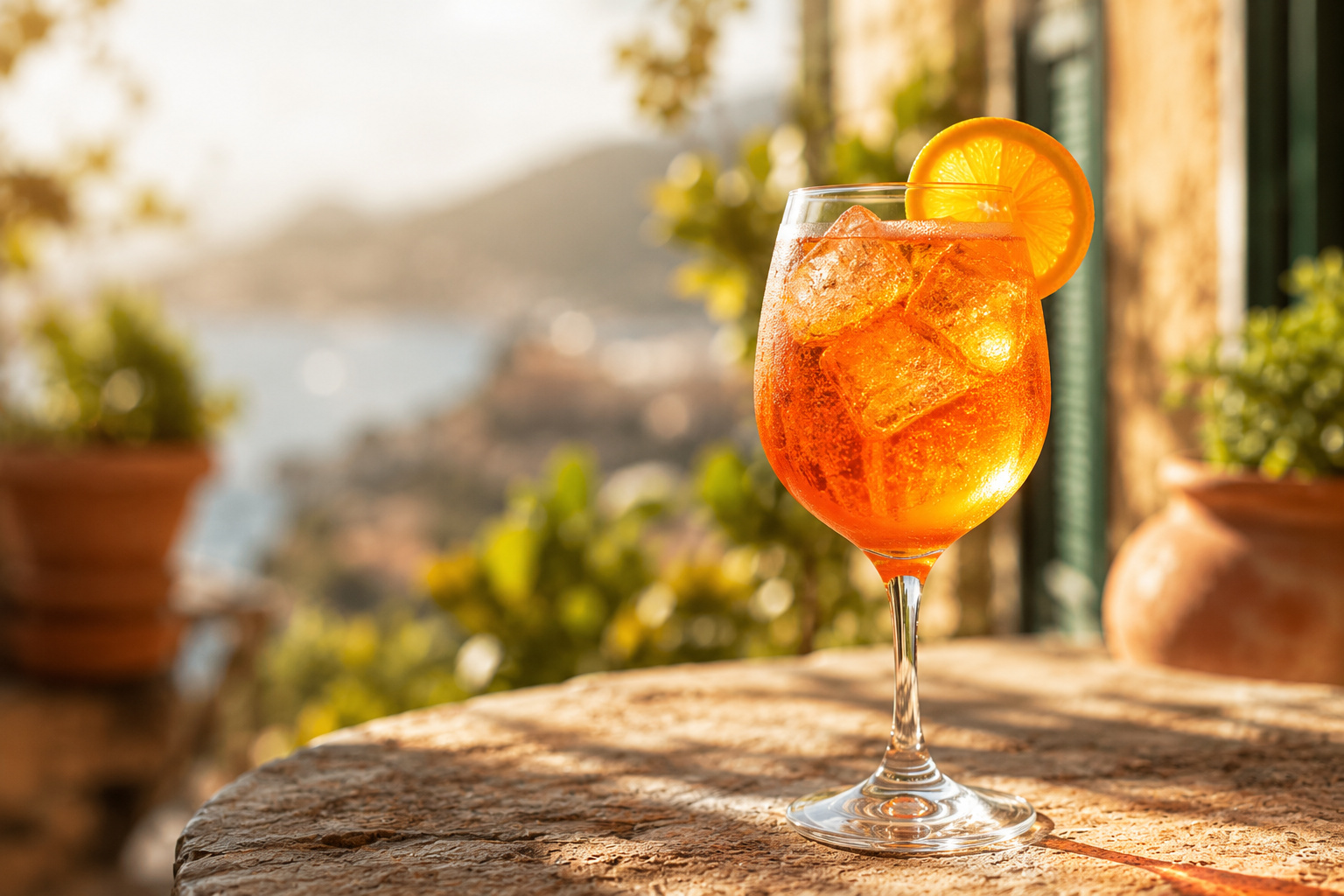
The Aperol Spritz. The right glass for Prosecco, and better still with Champagne.
Prosecco is the right choice for Aperol Spritzes, brunch, or any batch drink where volume matters more than complexity. It does that job well.
Cava and Cremant are worth exploring seriously. A good bottle in the $20 to $35 range often outperforms entry-level Champagne on complexity. The price difference at that level is largely about geography and branding.
Champagne belongs at the moments that warrant it. A genuine celebration. A meal where the food calls for it. Or because you have decided today is the day to open the good bottle.
Spend accordingly. And know what you are buying before you spend it.
Three Cocktails Worth Knowing
If you are opening a bottle for a gathering, these three work well and use what you probably already have.
Aperol Spritz
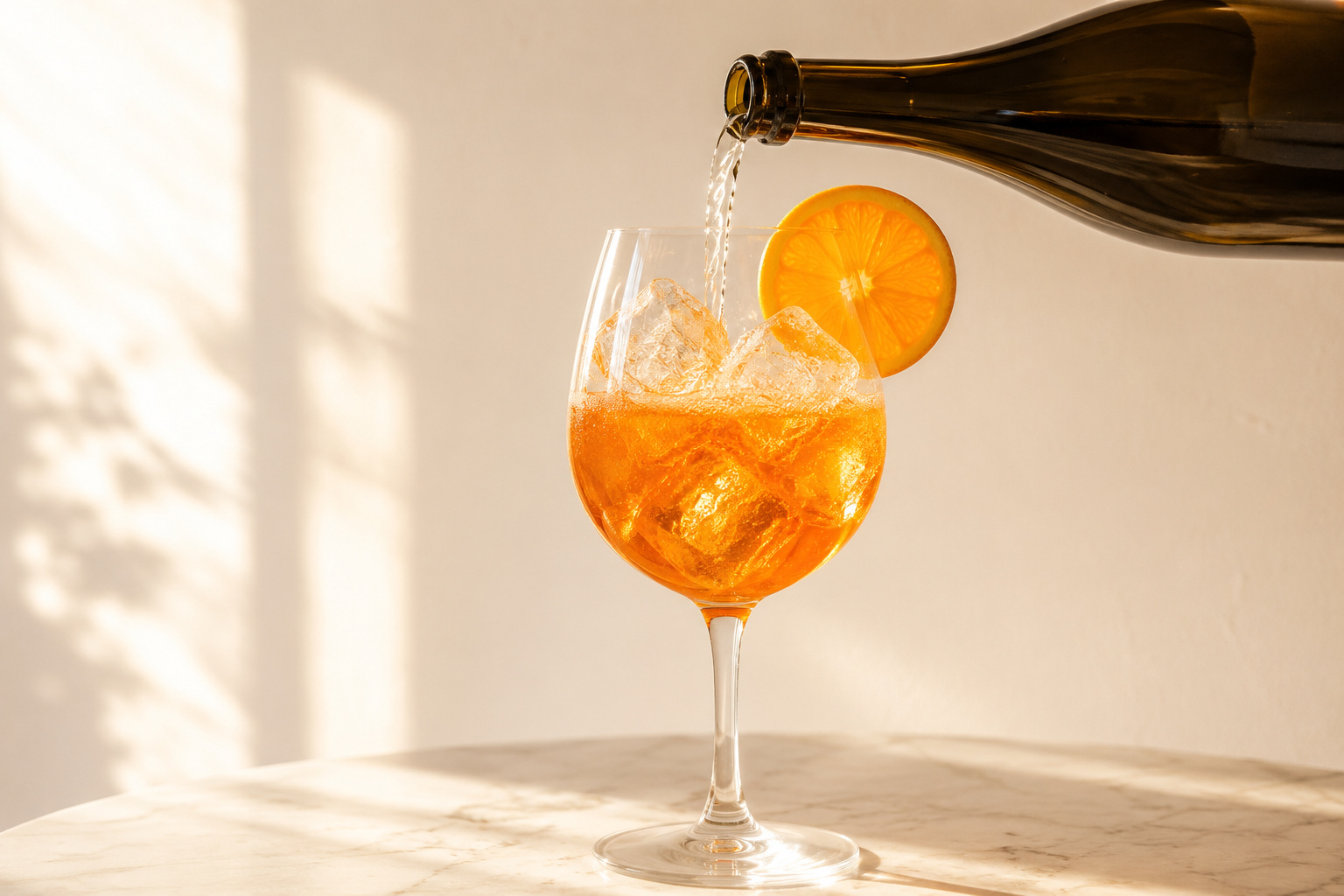
Three ingredients. No technique required.
Aperol Spritz
- 3 parts Prosecco
- 2 parts Aperol
- 1 splash of soda water
- Ice, orange slice to garnish
Fill a large wine glass with ice. Add Aperol, then Prosecco, then a splash of soda. Stir once gently. Add the orange slice. Do not overthink it.
Kir Royale
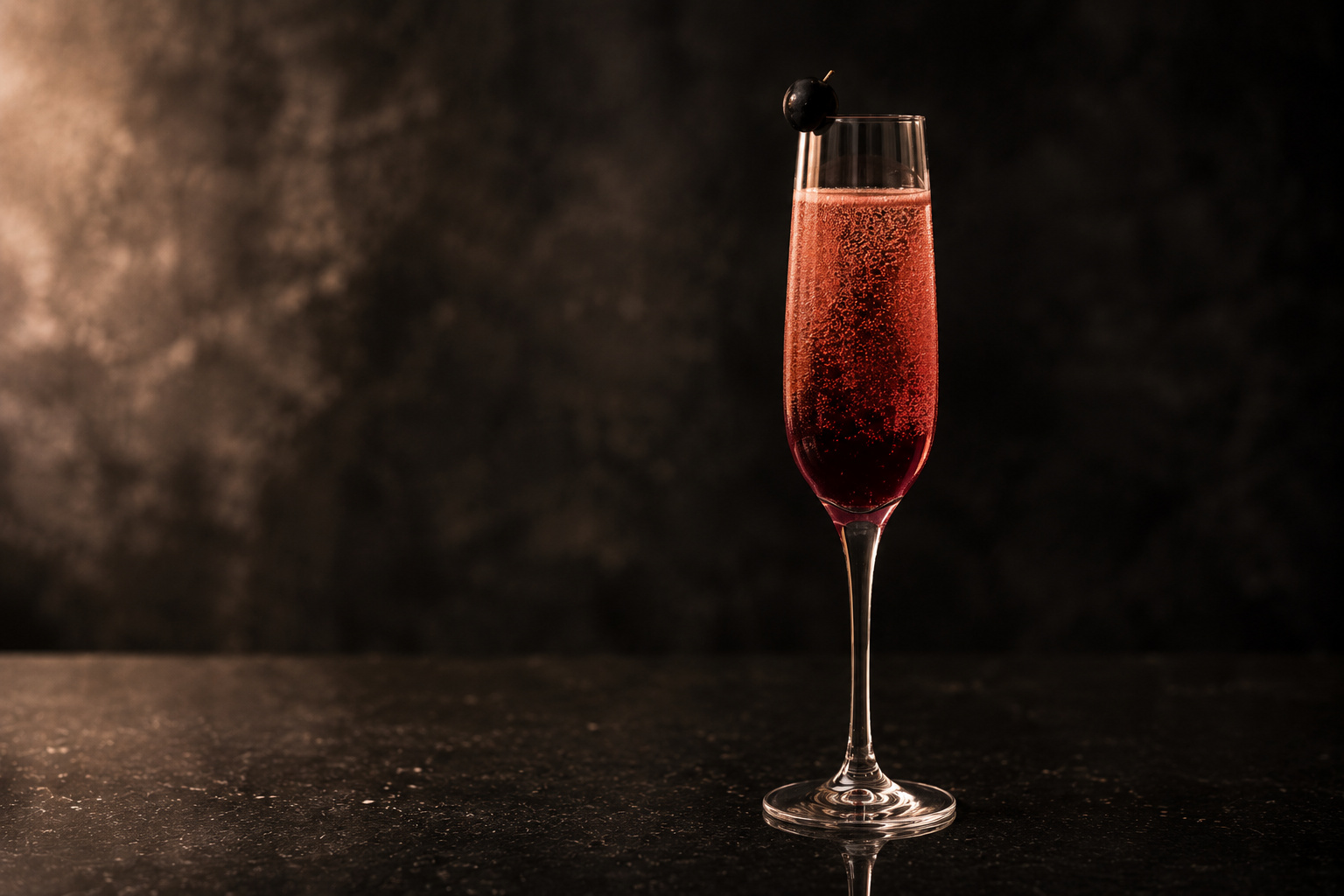
Kir Royale. Two ingredients. Looks like you planned ahead.
Kir Royale
- 1 part creme de cassis
- 4 to 5 parts Champagne or Cremant
Add the creme de cassis to the bottom of a Champagne flute. Pour Champagne slowly over it. Do not stir. The cassis will rise and blend on its own. Garnish with a blackcurrant if you have one.
French 75
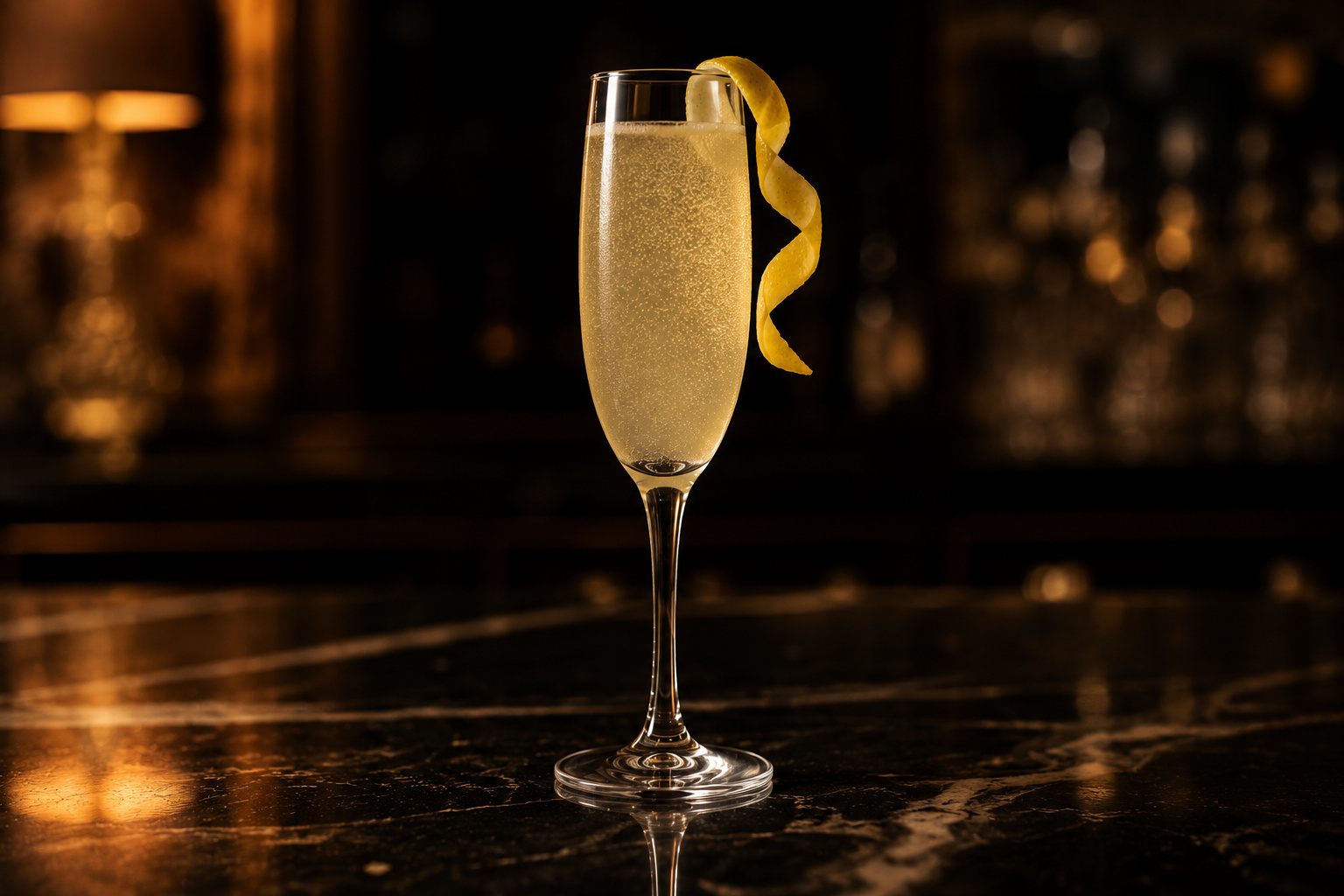
The French 75. One of the best cocktails ever made.
French 75
- 30ml London Dry gin
- 15ml fresh lemon juice
- 10ml simple syrup
- Top with Champagne or Cava
Combine gin, lemon juice, and syrup in a shaker with ice. Shake and strain into a Champagne flute. Top with Champagne. Express a lemon peel over the glass and use it as the garnish.