Key Takeaways
- Digestifs trace back to 13th-century monastery medicine, herbs macerated in alcohol that eventually became drinks like the Negroni and the Aperol Spritz.
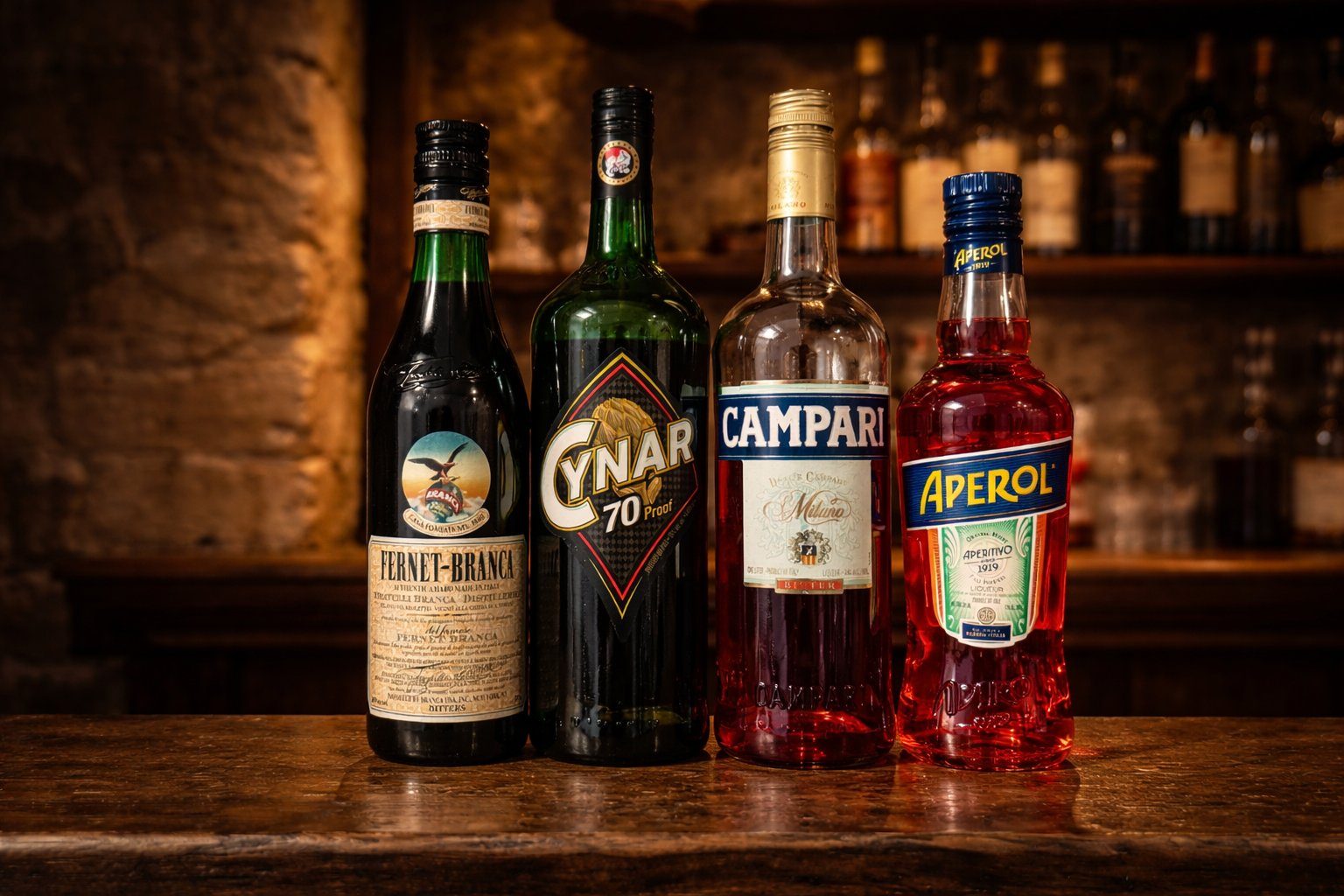
- They run on a spectrum from light and citrusy (Aperol) to intensely bitter and medicinal (Fernet-Branca), with Campari, Averna, Montenegro, and Cynar in between.
- A splash in a Manhattan, Fernet with Coke, or a Mexican Negroni (mezcal plus a spicy amaro) all put them to work beyond drinking them neat after a meal.

Every other spirit on your bar cart is built to be smooth. Amaro is built to be bitter, and that bitterness is the entire point.
Monks started making these in the 1200s, and they weren't chasing flavor. They macerated herbs, roots, and bark in alcohol to treat stomach trouble and fever. Centuries later those same formulas turned into some of Italy's most loved liqueurs, still guarded formula by formula, generation after generation.
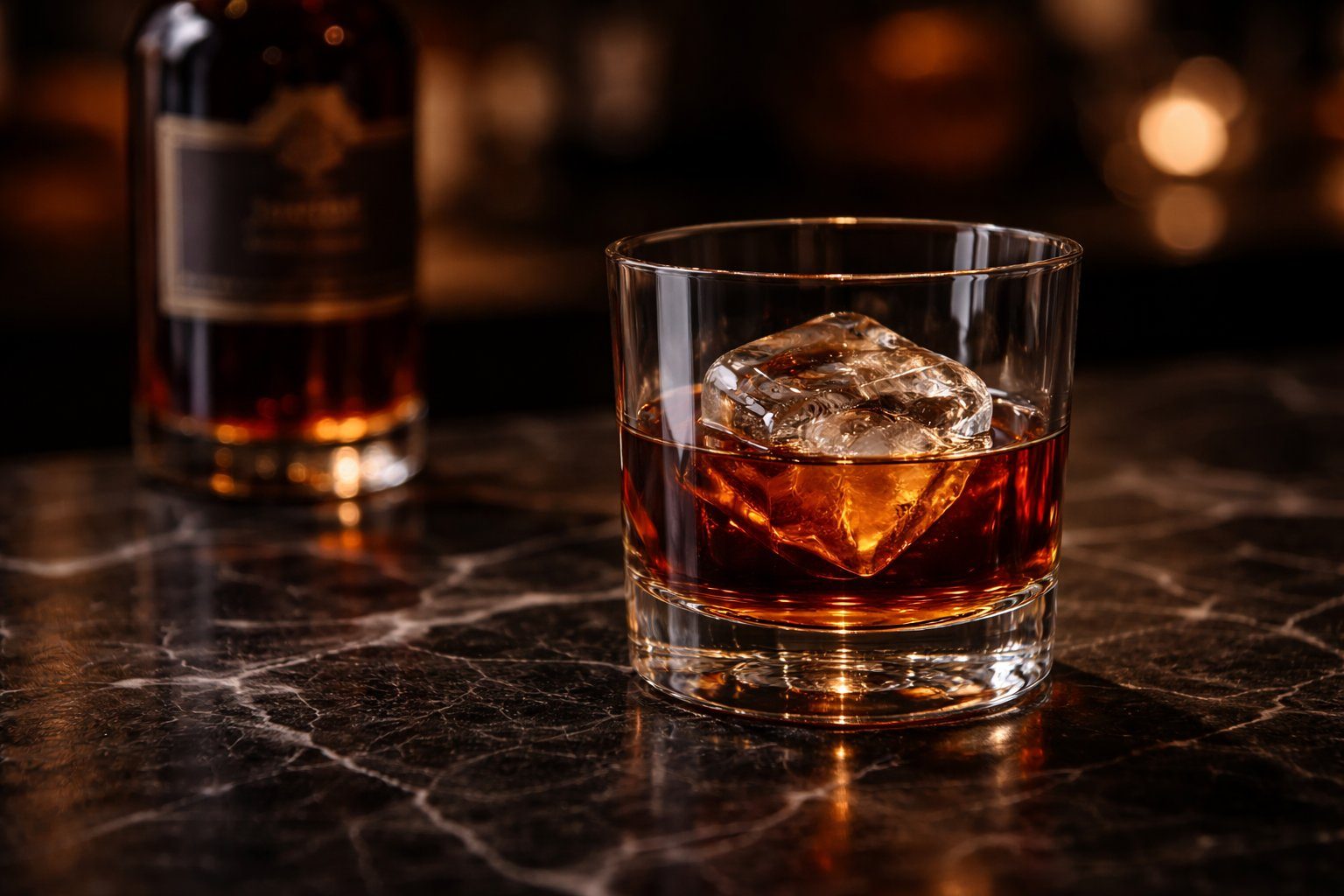
Picture a single ice cube melting slowly in a glass of dark amaro, set on a slab of black marble. That drink starts light and orange-sweet, then turns mentholated and punishing at the far end, and every stop between still carries a little of that old monastery medicine.
Bartenders end their shifts with a shot of Fernet-Branca for the same reason Italians drink amaro after dinner. The bitter compounds actually help digestion. That's old medicine, still doing its job, just happening in a bar instead of a monastery.
The bitterness is the point, and it always has been.
Want the full story?
Read the Full Article →