Key Takeaways
- Clone brands like Dua, Alexandria, and Lattafa have gone mainstream, and better raw materials mean a $30 clone can now get 80–90% of the way to a $350 original.
- A landmark 2006 French court ruling actually went the other way, finding fragrance is not eligible for copyright protection, and formulas remain nearly impossible to patent or enforce in practice.
- Houses are responding by competing on what can't be cloned: captive ingredients, packaging, and the in-store buying experience, not just the juice itself.

The battle over perfume clones was decided in a French courtroom back in 2006, and the houses lost. Judges ruled that a scent is technical know-how, not art, and it doesn't qualify for copyright at all. Every $30 dupe of a $350 original is standing on that ruling.
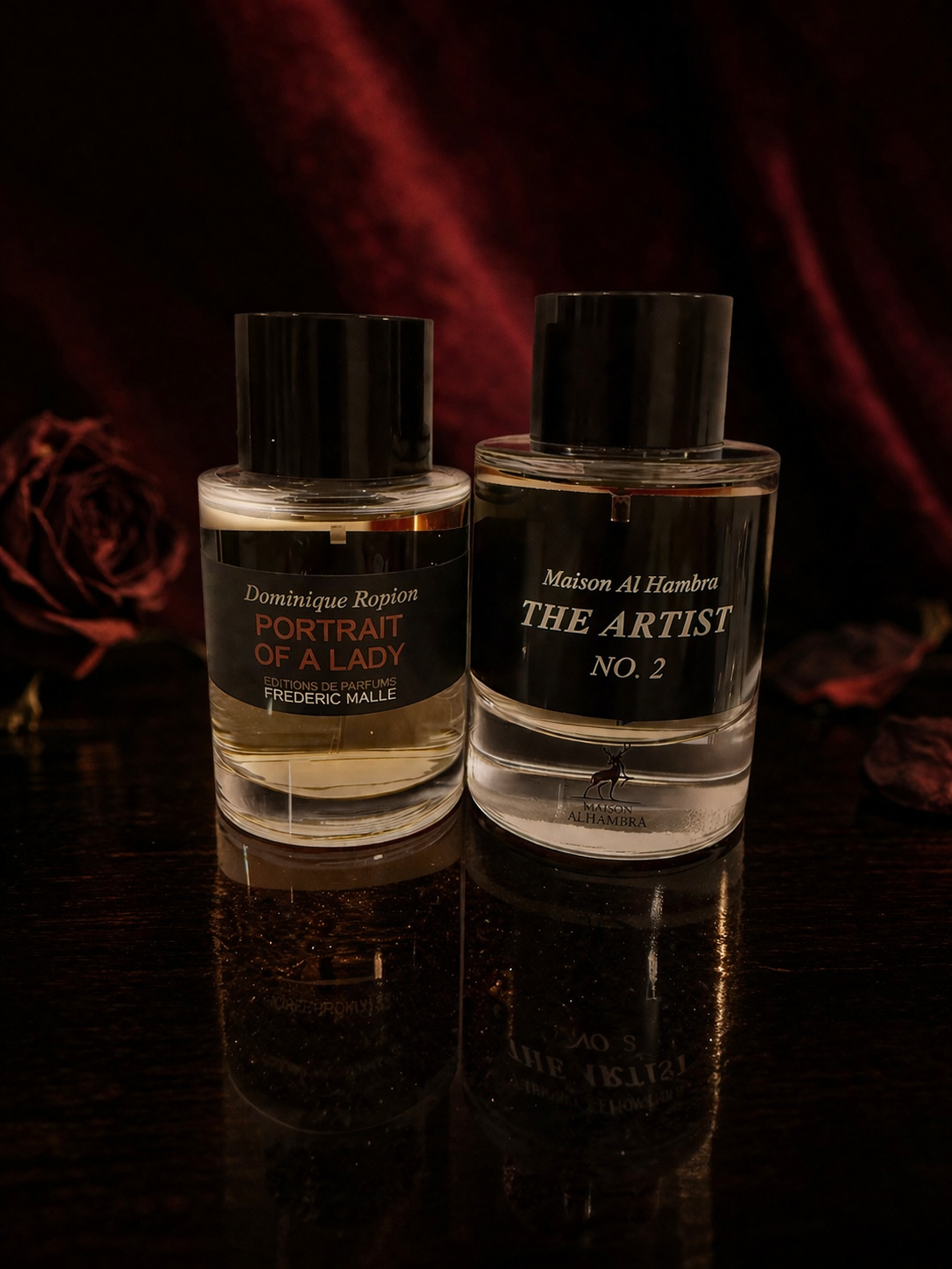
Dua, Alexandria Fragrances, Armaf, and Lattafa built followings in the millions by naming the original right on the label. A decade ago that would have read as a knockoff. Now it reads as a smart buy, and better raw materials back up the claim.
Sit next to a stranger on the subway wearing a $30 clone of a $350 release, and you probably won't know the difference. That gap is why the houses can't shrug this off, even though the law favors nobody but the clone brands.
So the real houses stopped competing on the formula. Creed guards its ambergris. Louis Vuitton locks up ingredients built exclusively with Givaudan. Certain rose materials from Grasse are reserved for a handful of houses, and none of that shows up in a $30 bottle. Neither does the clerk who hands you a tissue-wrapped box and tells you the story behind it.
Clones didn't kill the perfume industry. They proved the bottle was never the real product.
Want the full story?
Read the Full Article →