Key Takeaways
- Heublein sold vodka as “white whiskey,” a drink with no color, smell or taste. By 1968 it was the second most popular US spirit, behind only whiskey.
- Bourbon nosedived in the 1970s. Light whiskey failed, and the comeback came from showing flavor with single-barrel and small-batch bottlings.
- A 2020 federal rule removed the requirement that vodka be without distinctive character, aroma, taste or color.

International Vodka Day was October 4. The English word vodka comes through Russian from a word for water, while Poland and Russia both claim the drink's origins. It is also the spirit people say tastes like nothing, and that idea was sold on purpose.
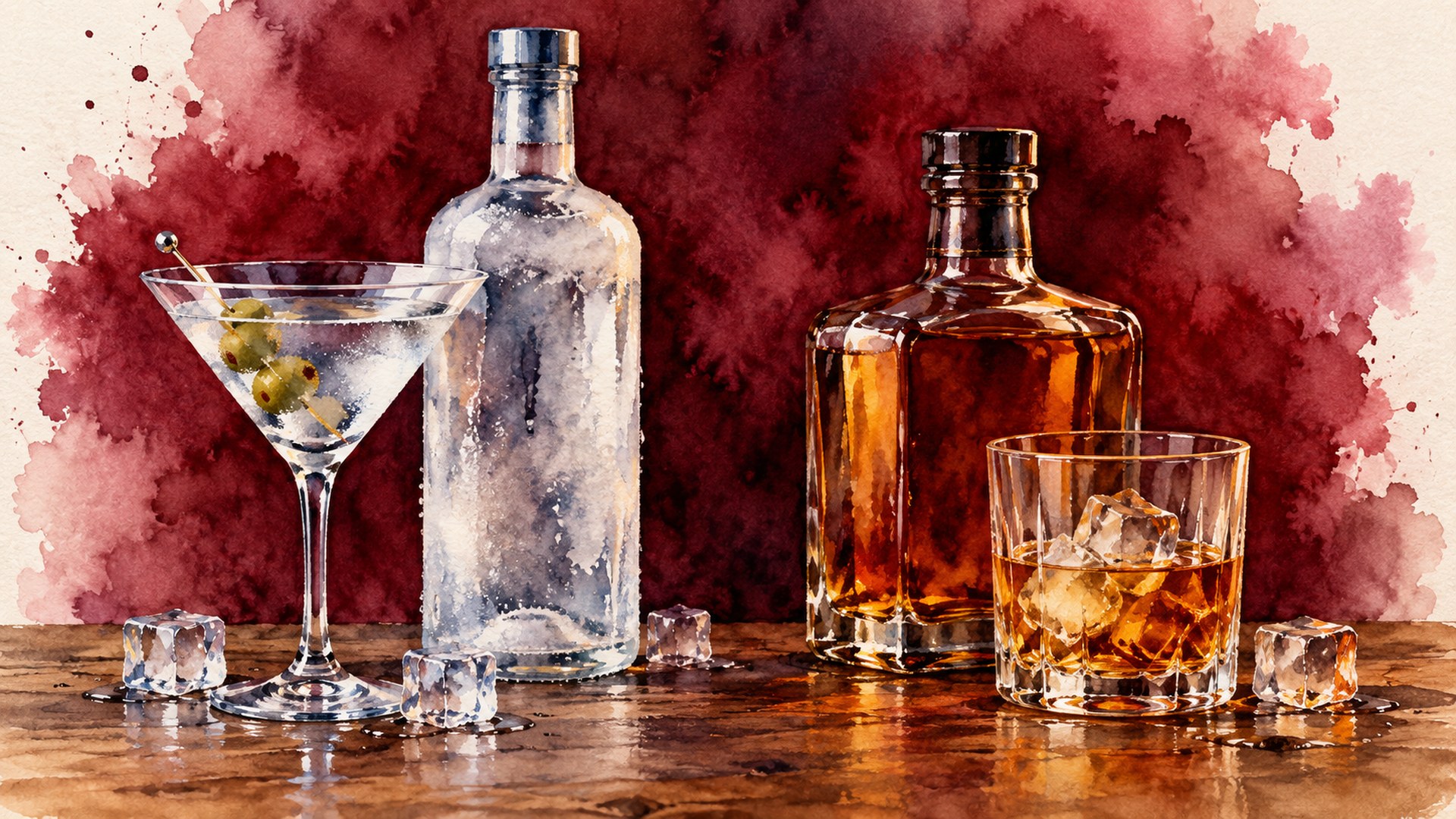
Heublein pitched vodka as “white whiskey,” a drink with no color, smell or taste. By 1968 it was the second most popular spirit in the country, behind only whiskey. It passed whiskey for the top spot in 1976.
Bourbon nosedived in the 1970s as drinkers moved toward lighter spirits. Light whiskey and Brown-Forman's Frost 8/80 both faded away. In the 1980s, distillers began pushing single-barrel and small-batch bourbon, though the sales recovery took much longer.
Today's US rule no longer says vodka must be without taste. TTB dropped that wording in 2020, and the base ingredient, from wheat to rye to potato, is one of several things that shape each bottle.
Want the full story?
Read the Full Article →Pull up a chair.
New writing on fragrance, spirits, and cigars goes up multiple times a week. Subscribe free on Substack to read every post's opening for free, then go paid to keep reading past the divider.