Key Takeaways
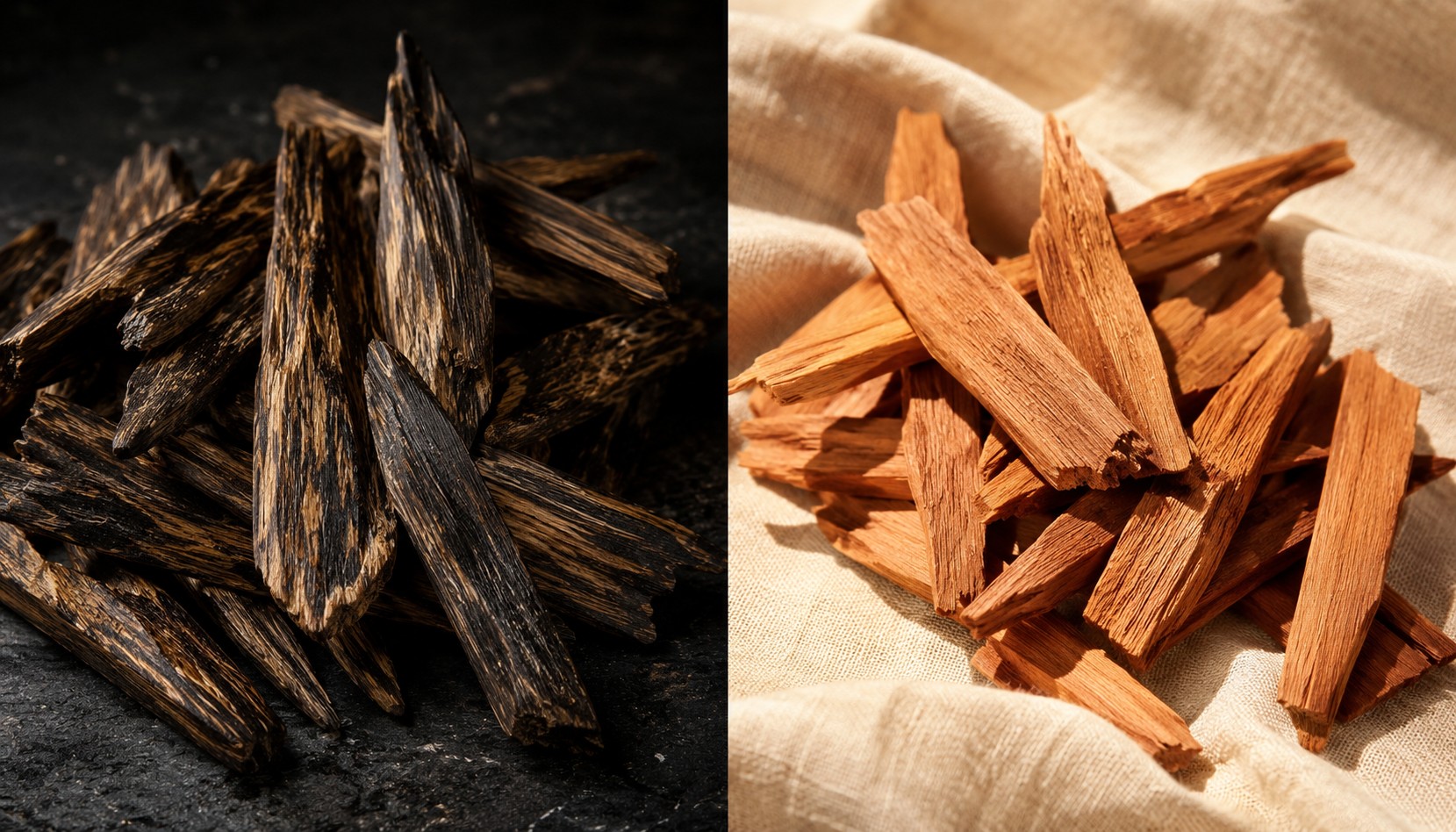
- Wild agarwood (oud) and Mysore sandalwood are now endangered from overharvesting, though houses like Chanel and Givaudan have built responsible-sourcing programs as alternatives.
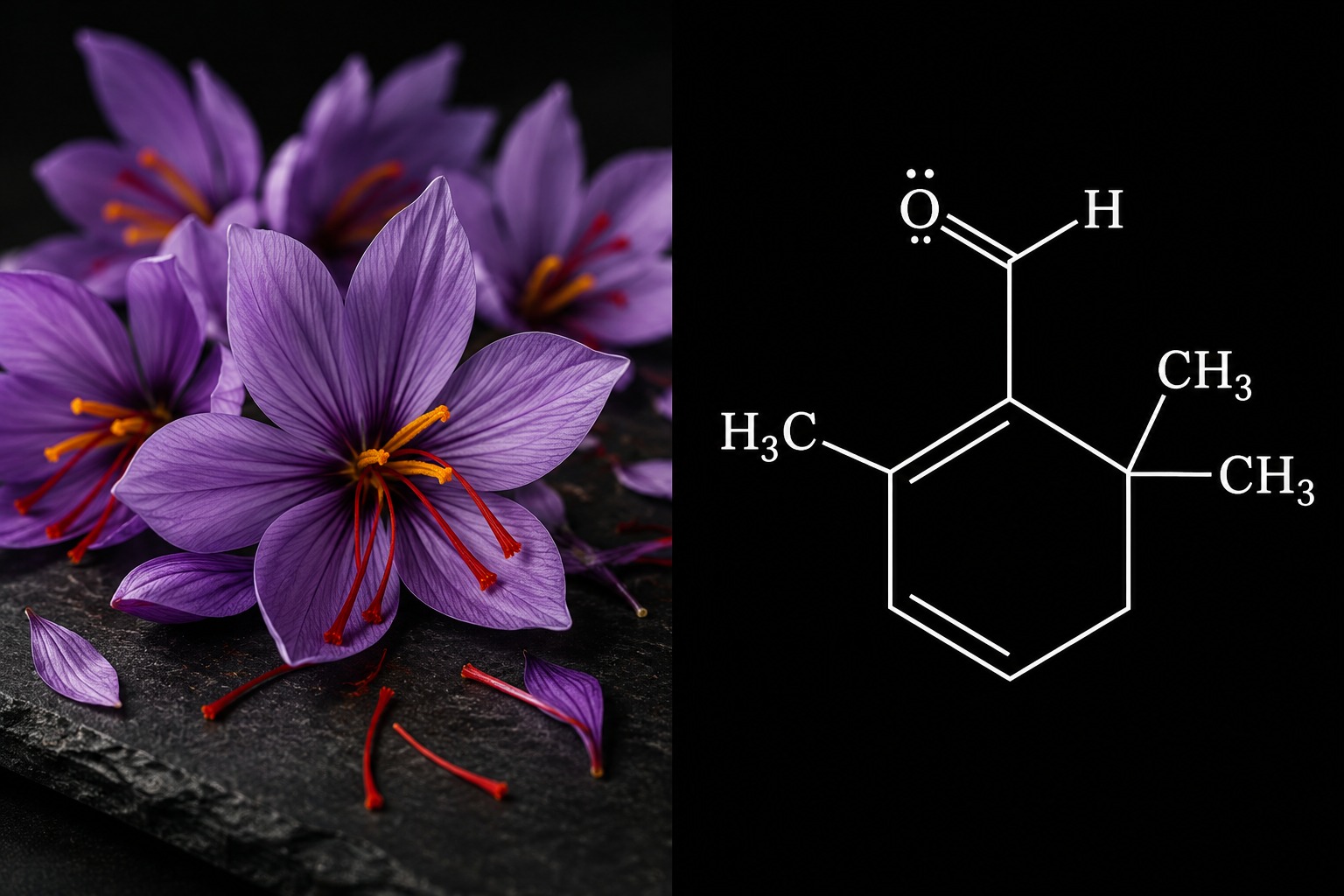
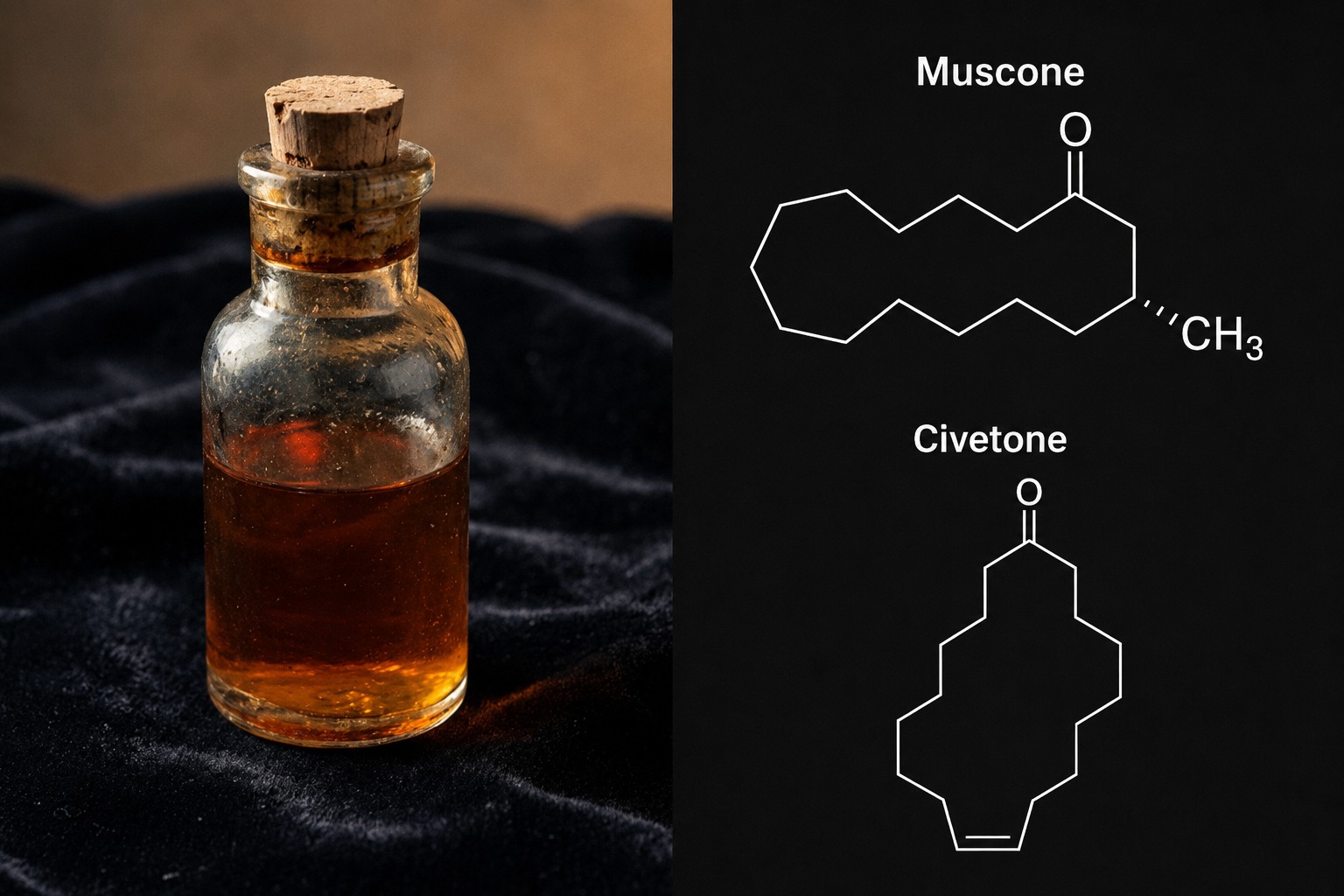
- Synthetic replacements for saffron, civet, and musk cost a fraction of the natural versions and have largely replaced them, though early synthetic musks raised their own safety concerns.
- IFRA's oakmoss restrictions forced permanent reformulations of Chanel No. 5, Mitsouko, and Dior Fahrenheit, real changes to fragrances that took years to develop, not cosmetic tweaks.

The heaviest environmental cost in fragrance sustainability sits in the box, not the bottle. Some luxury houses have already figured that out. Others still ship crates that outweigh the bottle they hold.
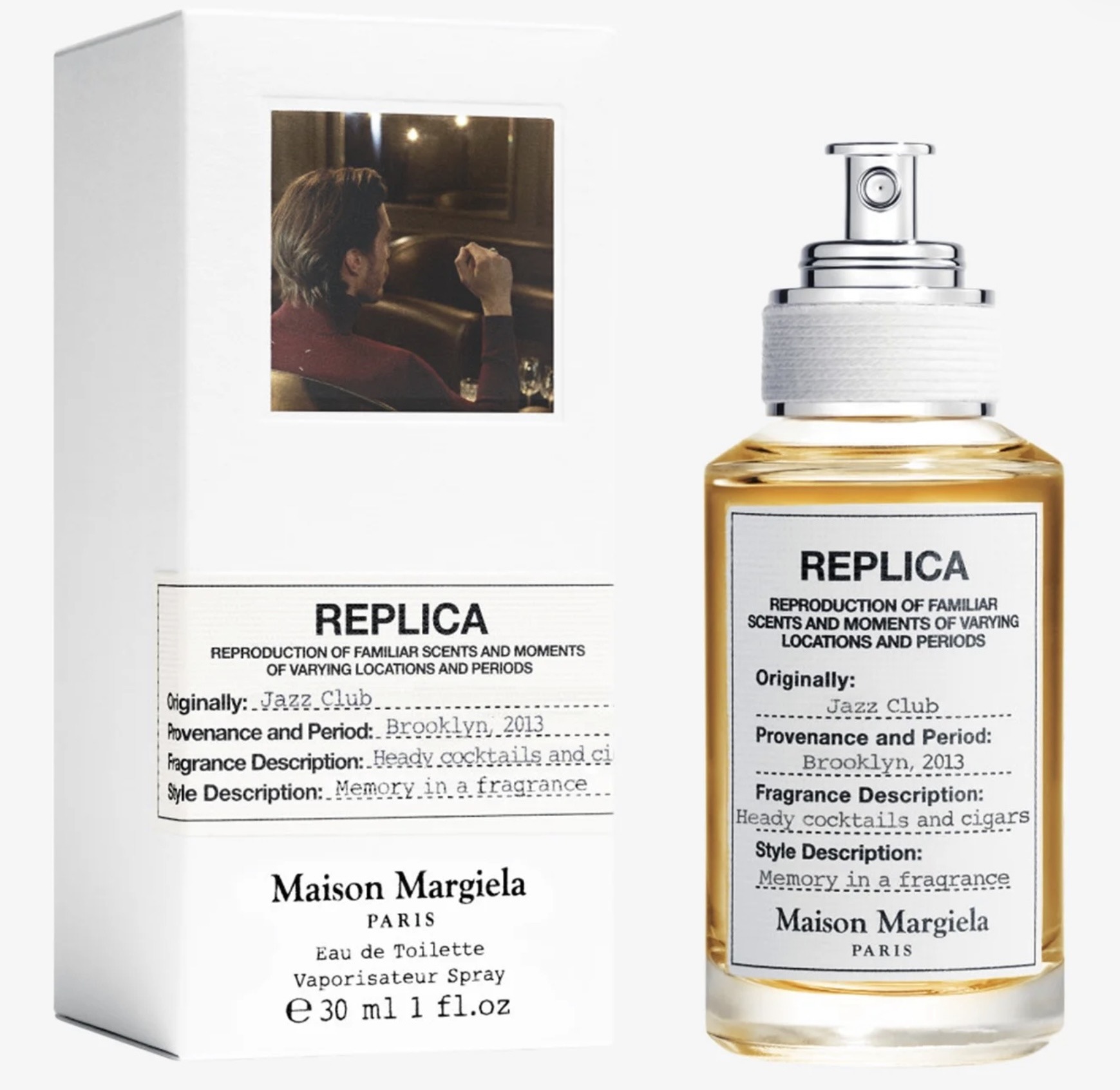
Maison Margiela's refillable Replica line cuts packaging by nearly a third compared to four separate bottles. Estee Lauder trimmed its own packaging weight by 40 percent and made most of it recyclable or reusable. Parfums de Marly and Creed skip the extras entirely, just a bottle and a simple box.
Open a release from certain Gulf-based clone houses and the story flips. A wooden presentation box lined in velvet holds a bottle with a decorative metal cap, tucked inside a cardboard sleeve. Some releases arrive in boxes within boxes.
Most of that material gets thrown away within minutes. The box goes in the trash, the velvet pouch lands in a drawer, the metal cap ends up in a bin. What's left is the bottle. It could have shipped in plain cardboard at a fraction of the cost.
Most of what makes a bottle heavy never reaches your skin.

Want the full story?
Read the Full Article →