Key Takeaways
- Nathan "Nearest" Green, an enslaved man, taught Jack Daniel the charcoal-mellowing process that defines Tennessee whiskey, and later became his first master distiller, though his name was left off the brand for over a century.
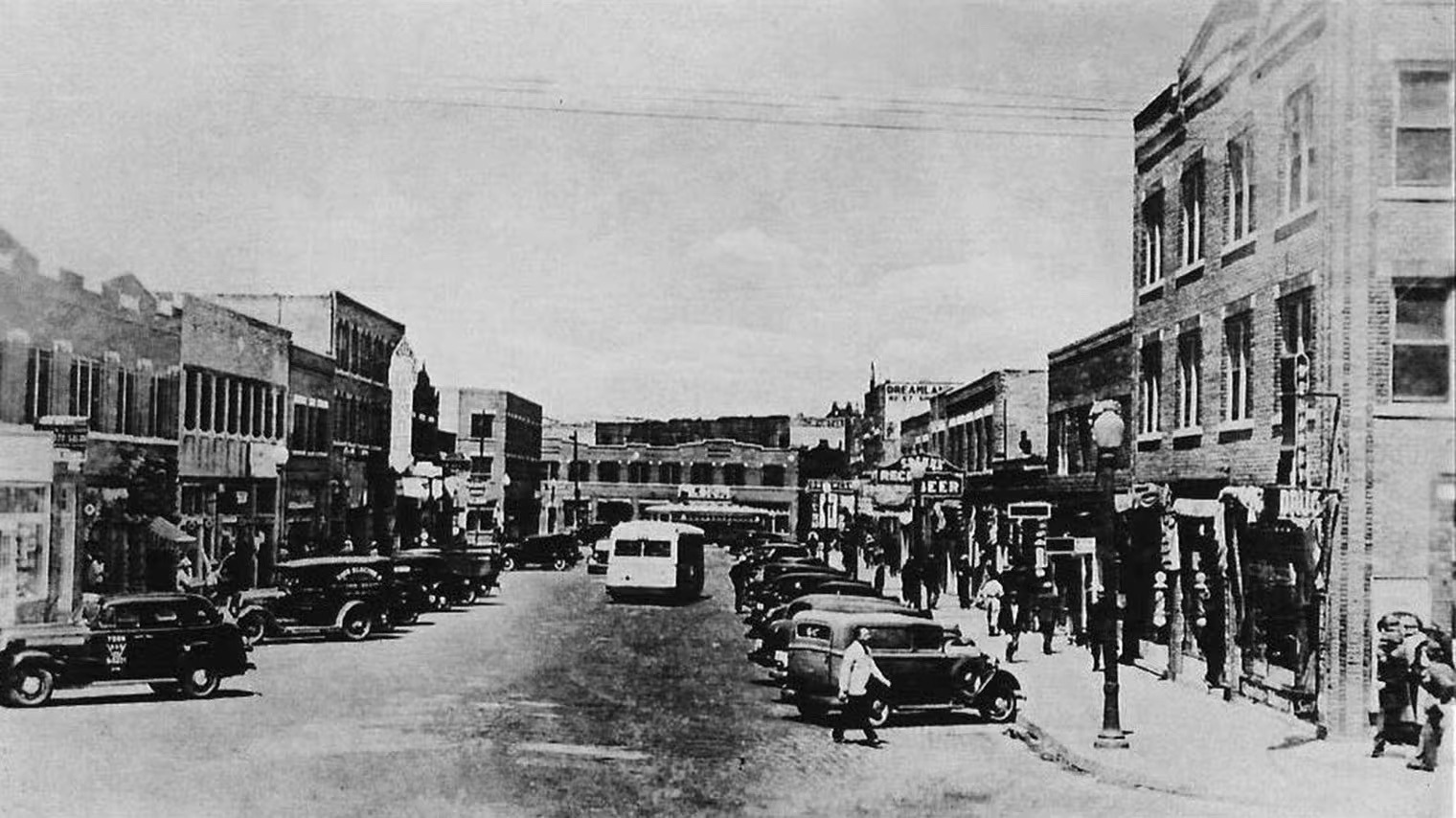
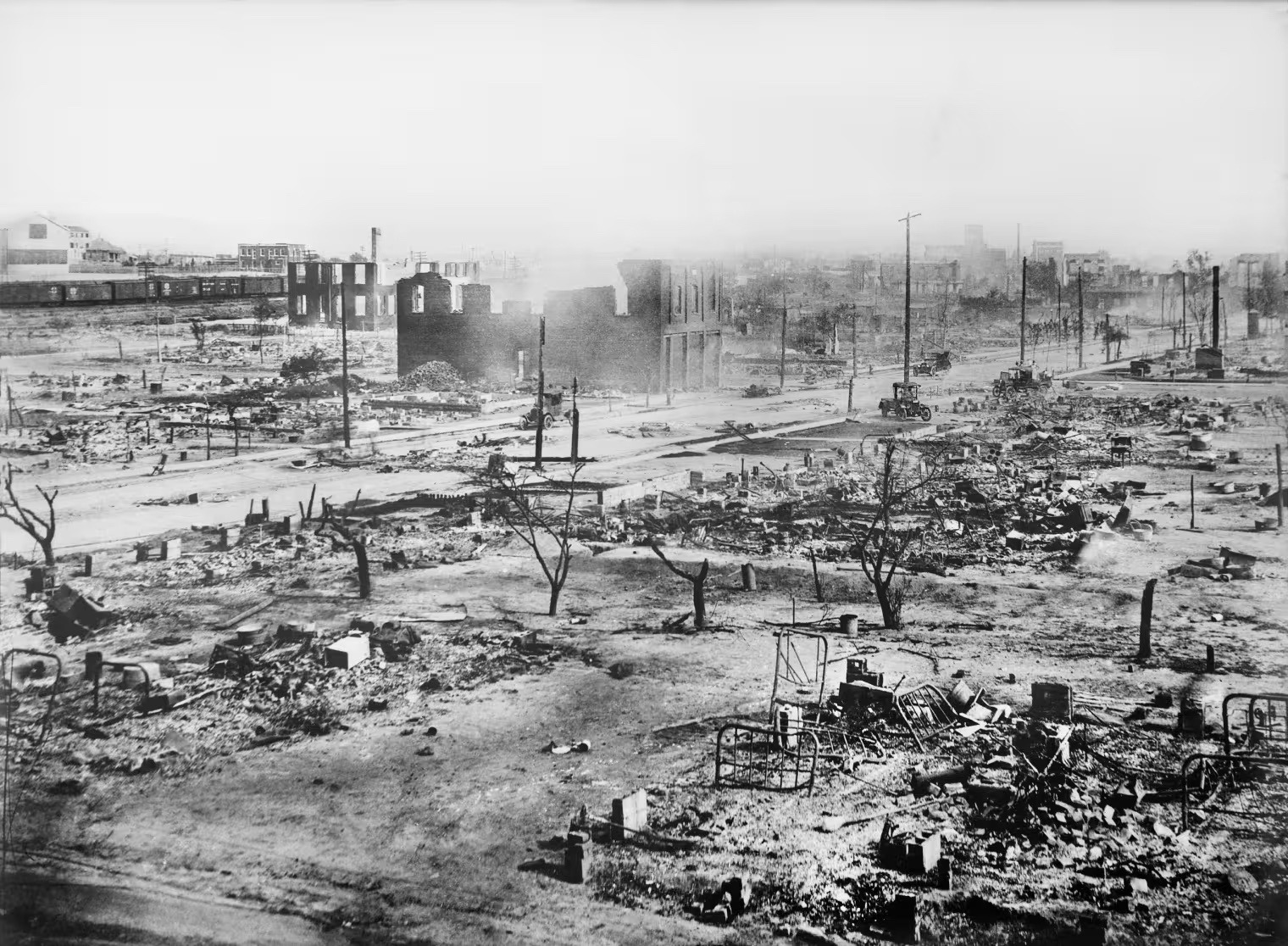
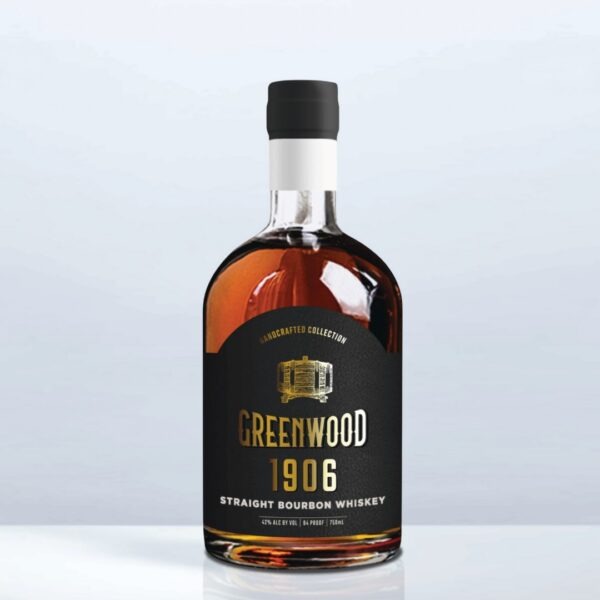
- Black Wall Street in Tulsa was burned to the ground in 1921, and brands like Greenwood Whiskey and Brough Brothers Distillery now carry that legacy forward in bourbon country.
- A wave of Black-founded fragrance houses, Chris Collins, Moodeaux, Kimberly New York, Qhue, Harlem Perfume Co., La Botica, are building outside the traditional Paris-New York-London training pipeline.

Nathan Green invented the process that makes Tennessee whiskey what it is. Jack Daniel put his own name on the bottle instead, and it stayed that way for over a hundred years. Fixing that took a century of silence and one relentless research effort. Keeping it fixed turned out to be a different problem entirely.
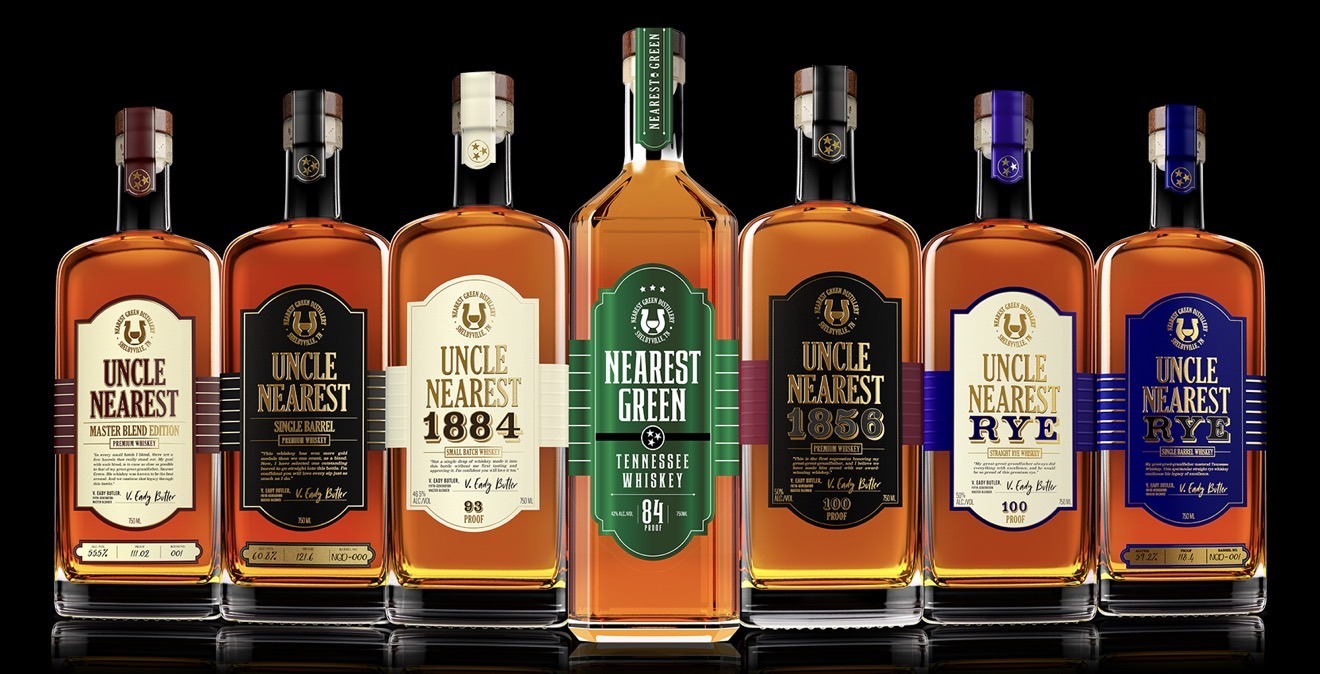
Green was enslaved on a Lynchburg, Tennessee farm when a young Jack Daniel arrived as a chore boy and became his apprentice. Green taught him the Lincoln County Process, the sugar maple charcoal mellowing that still separates Tennessee whiskey from bourbon. After emancipation, Daniel made Green his first master distiller. He is widely regarded as the first Black master distiller on record in the country. That fact sat buried until a 2016 New York Times story cracked it open. Author Fawn Weaver spent a year and $40 million turning it into Uncle Nearest Premium Whiskey. Green's own descendant, Victoria Eady Butler, runs the blending today.
Picture the label: Nathan Green's name in gold script, sitting on a bottle on the same liquor store shelf as Jack Daniel's. That image took over a hundred years to exist. In August 2025, it nearly disappeared again.
Uncle Nearest defaulted on more than $100 million in loans, with court filings later putting the debt near $200 million. A federal court placed the company into receivership, stripping Fawn and Keith Weaver of control. An investment firm with Black ownership has since signed a letter of intent to buy most of the company's assets. It plans to keep Green's name on the label. Nothing is final yet.
Getting your name back on the bottle doesn't mean you get to keep it.

Want the full story?
Read the Full Article →