Key Takeaways
- Frankincense, myrrh, vetiver, rose, and ylang-ylang all trace back to Africa and its diaspora, yet raw materials typically make up only 1–5% of a bottle's retail price.
- Moroccan rose pickers earn about $7 a day and Comoros ylang-ylang harvesters about $6, for ingredients that end up in fragrances costing hundreds of dollars.
- A few houses, Givaudan's Haiti vetiver cooperative, Chanel's New Caledonia sandalwood program, Bioylang Comoros, show what fair sourcing looks like, but most of the industry hasn't followed.

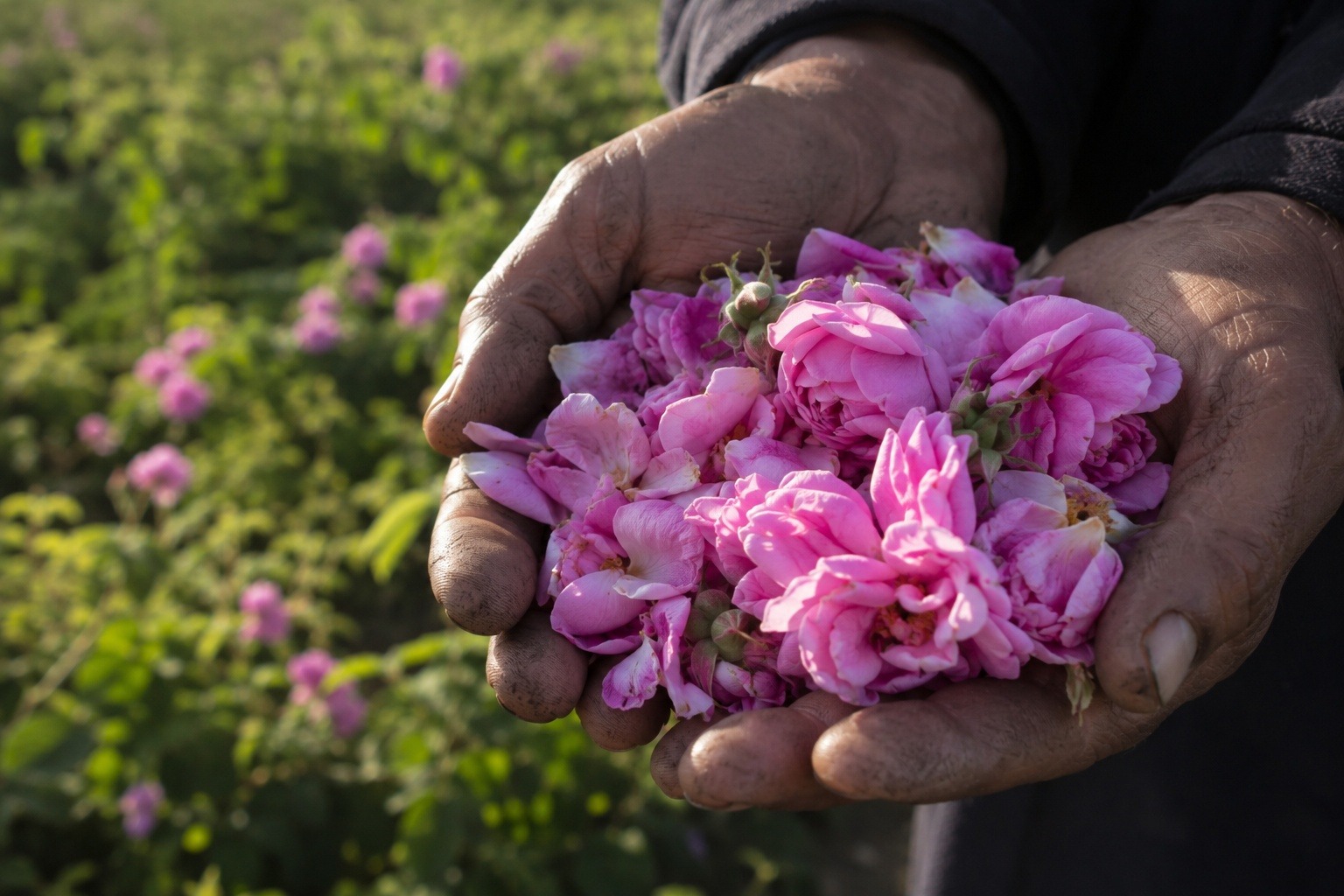
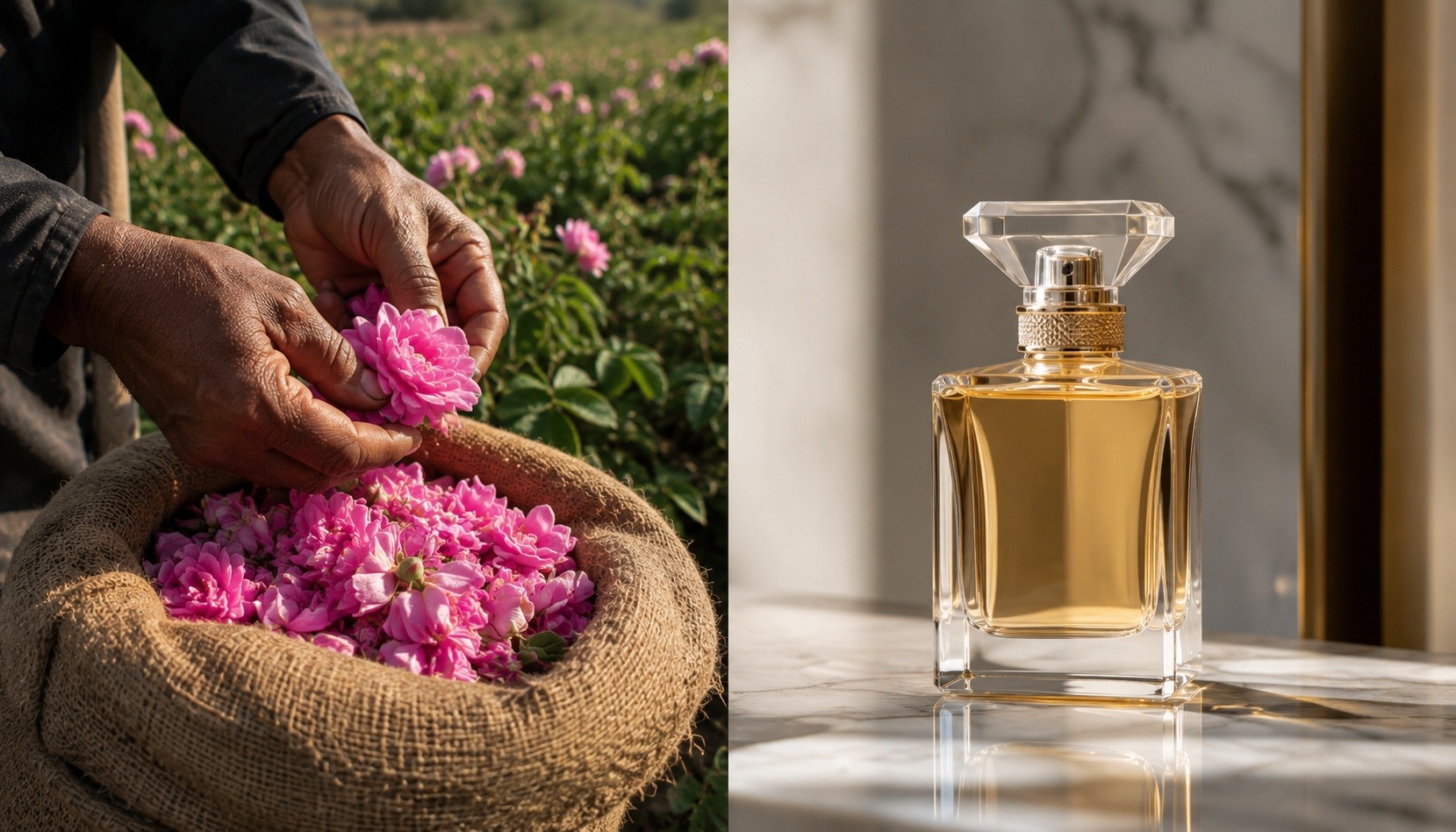
A kilogram of Moroccan rose absolute sells for about $18,000. The woman who hand-picked those petals earns roughly $7 a day. That gap sits at the center of how the fragrance industry makes its money.
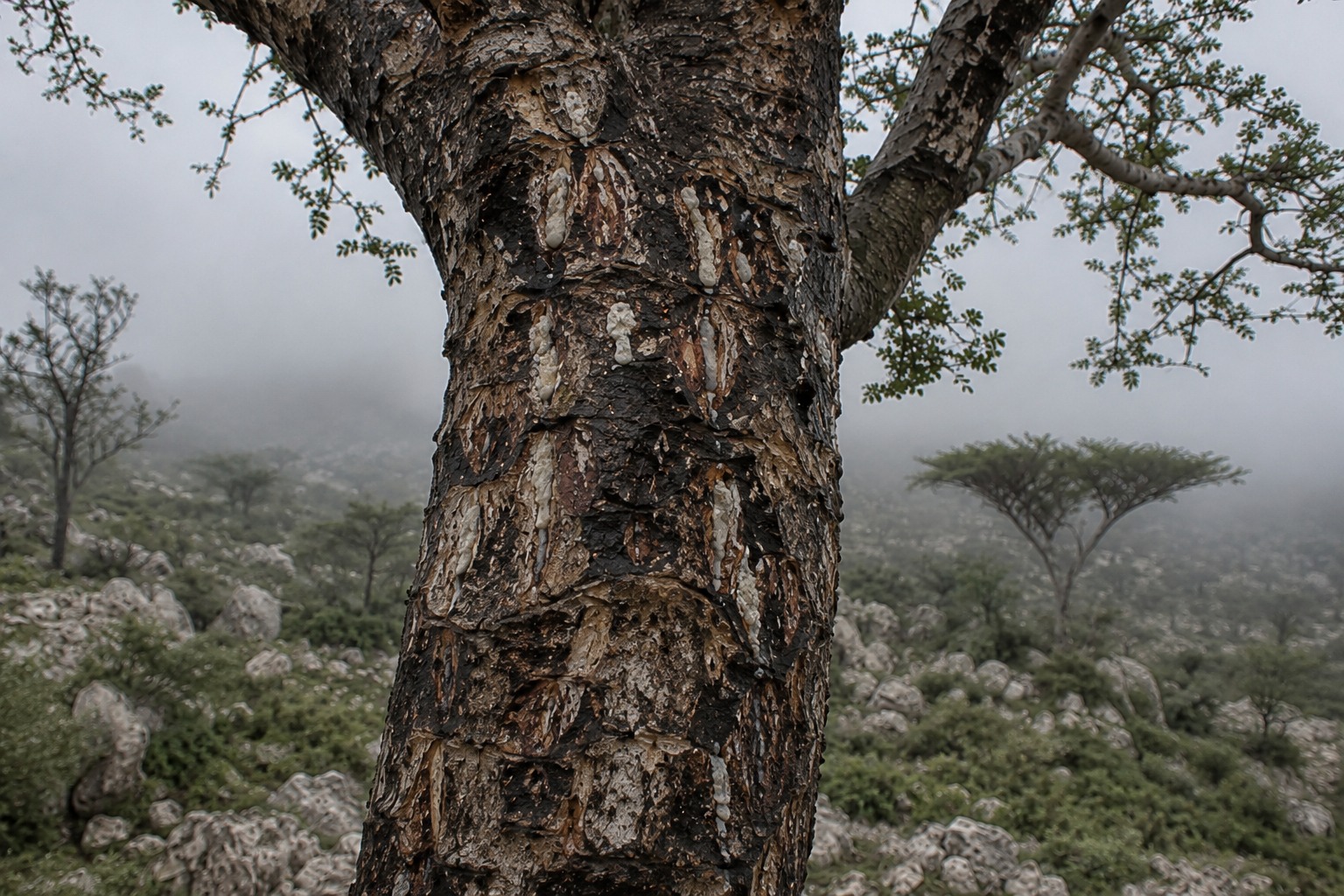
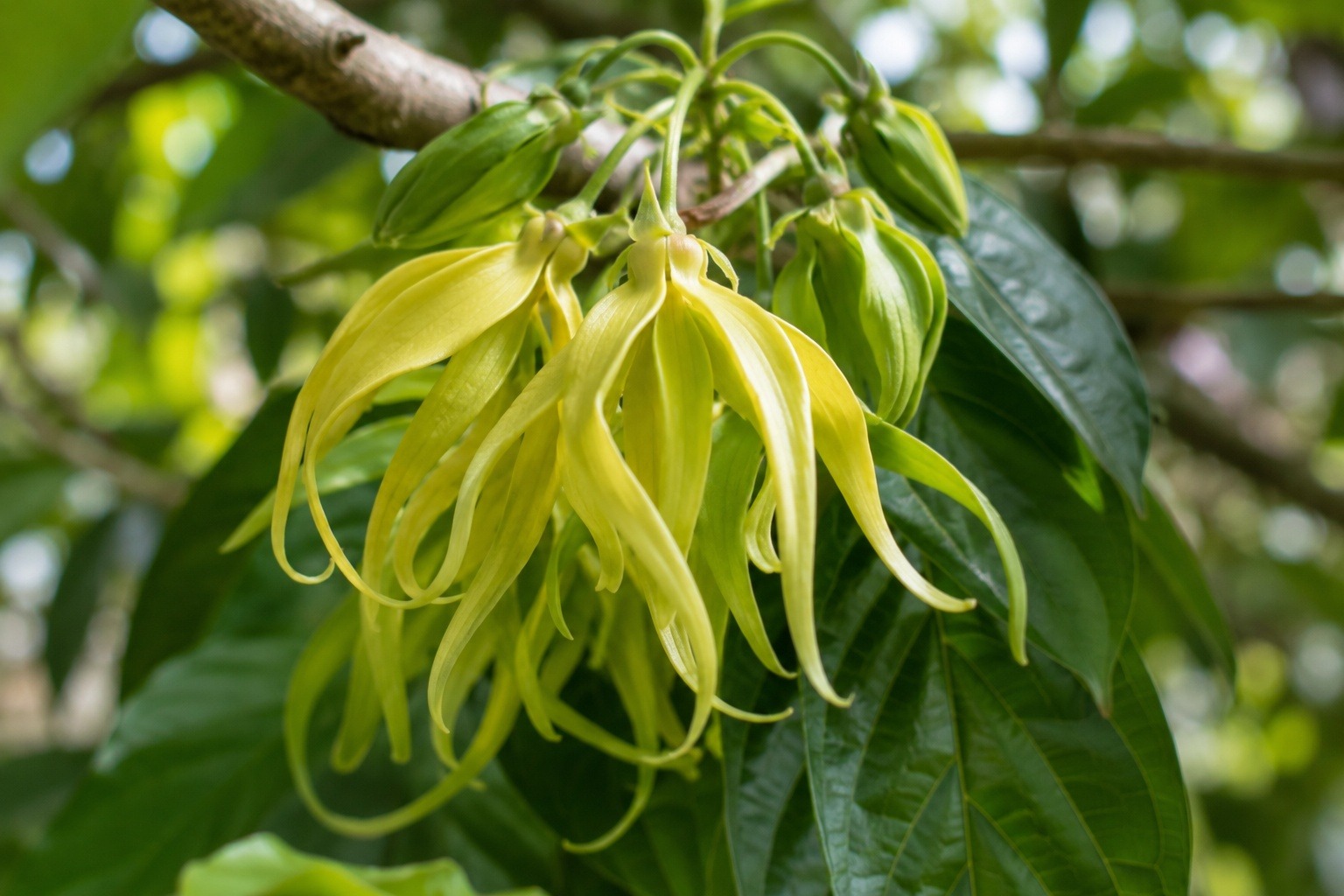
The pattern holds across every prized African ingredient. Ylang-ylang pickers in the Comoros earn about $6 a day for flowers destined for bottles that sell for hundreds. Frankincense collectors in Somalia work trees that take decades to mature and years to recover between harvests. Across the industry, raw materials often make up just 1 to 5 percent of what a bottle costs at retail, and sometimes far less.
Picture a picker named Izza in Morocco's Dades Valley, up before sunrise, moving through rows of pink Damascena roses while the light is still gray. She has only a few hours before the heat ruins the petals. Three kilos of flowers, gathered by hand, earn her about a dollar.
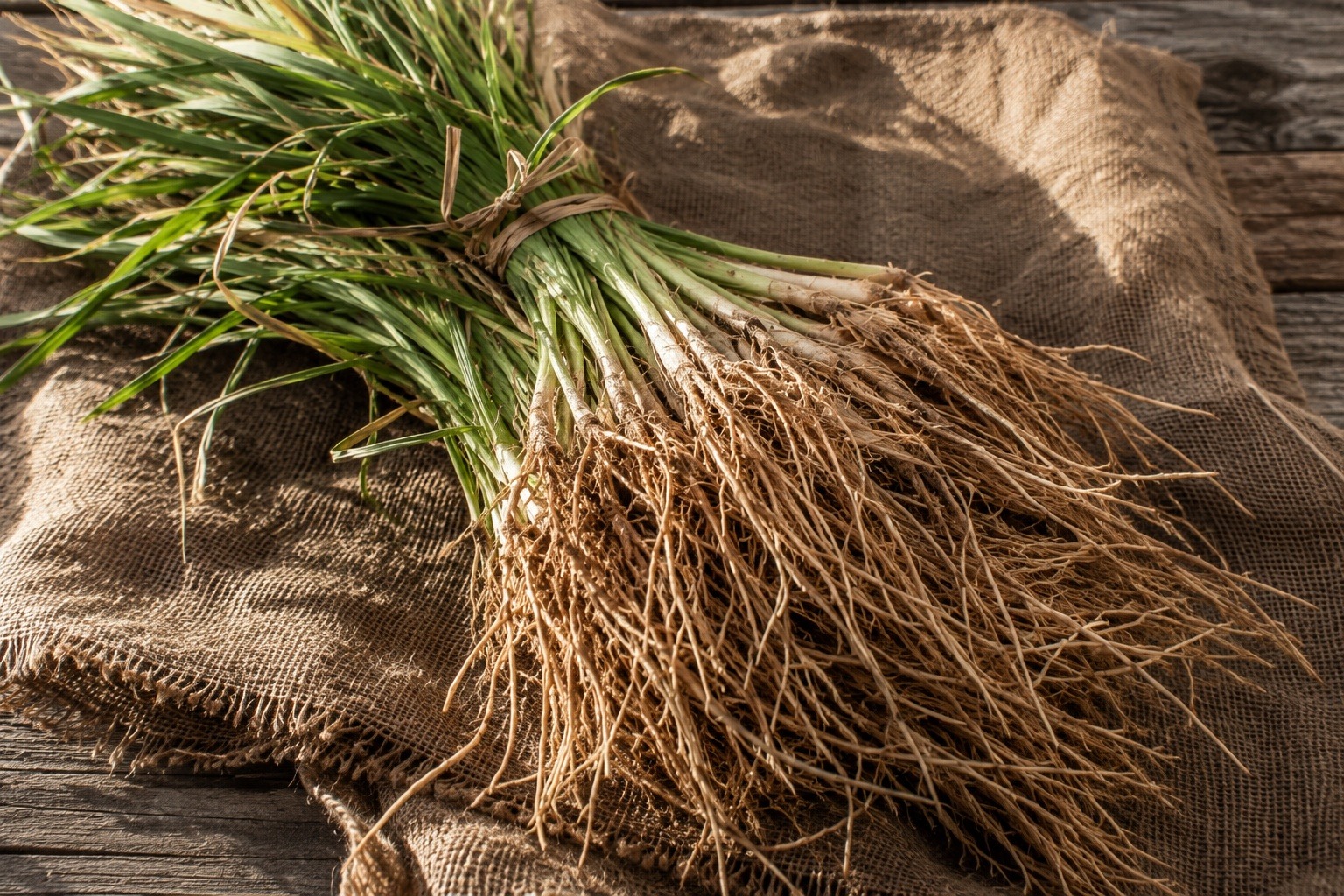
A few houses do this differently. Givaudan pays and certifies 250 vetiver farmers across three Haitian villages and funded the road connecting them to the distillery. Bioylang Comoros, once just a supplier to Chanel and Hermes, released its own branded perfume in December 2024, keeping more of that value on the island where the flowers grow. Most of the industry has made no such move.
Every bottle carries two prices: what you pay, and what the person who grew it was paid. Ask about the second one before you ask about the notes.
Want the full story?
Read the Full Article →