Key Takeaways
- Negroni Week runs September 21-27, put on by Imbibe Magazine since 2013, raising money for Slow Food with over five million dollars given so far.
- The popular Count Negroni origin story has no contemporary source confirming it, and a rival account points to a French general instead.
- The equal-parts, orange-garnish version wasn't written into an official cocktail list until 1961, decades after the drink itself existed.

Negroni Week runs September 21 through 27 this year, put on by Imbibe Magazine since 2013. The mechanics haven't changed much in over a decade: a bar registers with a donation to Slow Food, then spends the week pouring Negronis and Negroni riffs, often layering in a share of the week's sales on top. It has grown from roughly 120 venues at the start to close to fifteen thousand bars across more than ninety countries last year, and it has raised over five million dollars since it began. The more interesting question is why an equal-parts drink this simple has stayed interesting for more than a century, and why bartenders keep pulling it apart and rebuilding it.
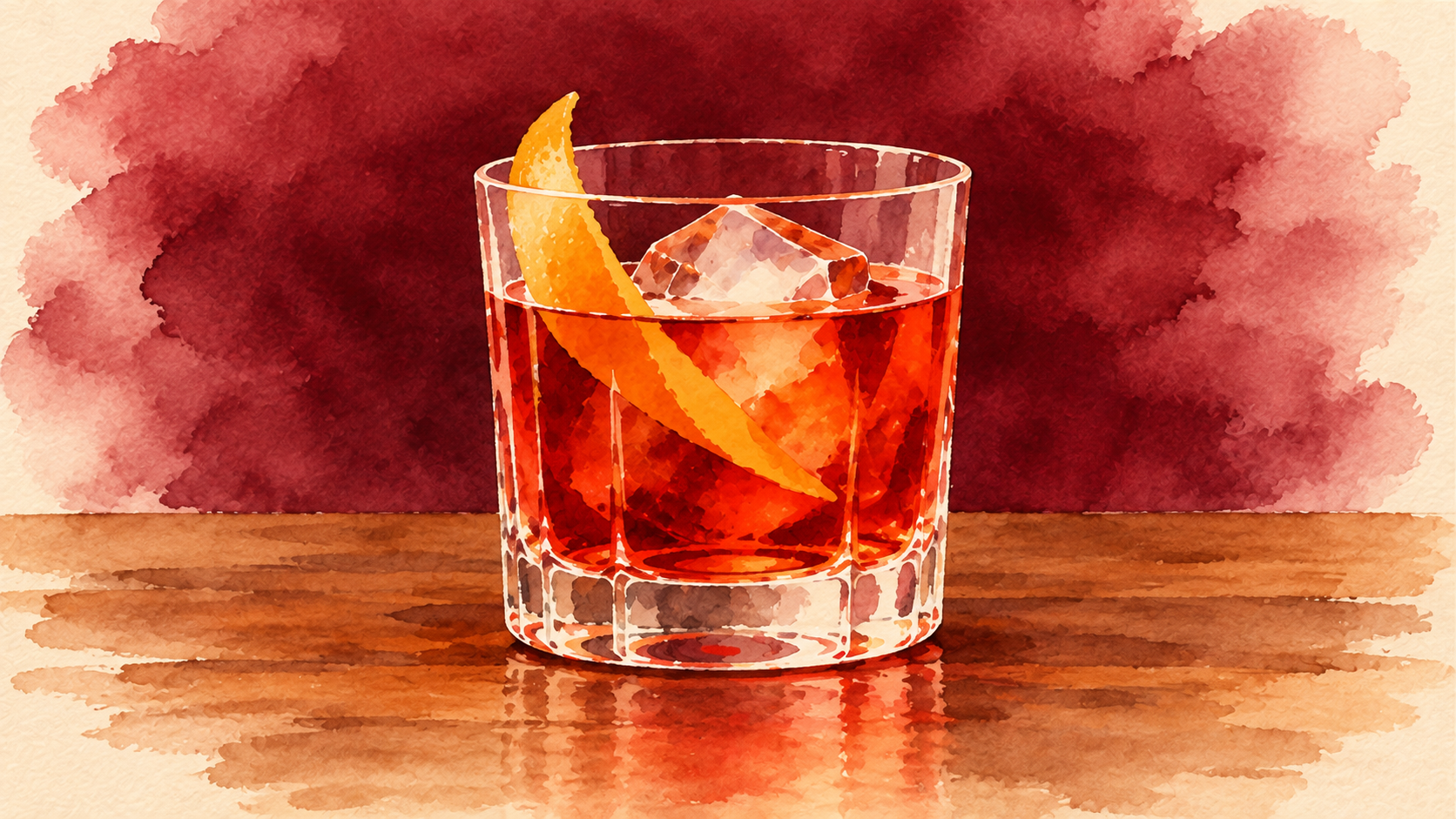
Equal parts gin, Campari, and sweet vermouth, stirred with ice, then either strained over fresh ice or built and stirred directly in a rocks glass, with orange peel expressed over the top. One large cube or a handful of standard ice cubes both work. That's the whole drink. Every component is right there at full strength, which means a bad bottle of vermouth or a gin that doesn't want to share the glass ruins the drink immediately. Simplicity is usually the hardest thing to execute well, and the Negroni is the clearest proof of that in any bar's well.
Want the full story?
Read the Full Article →Pull up a chair.
New writing on fragrance, spirits, and cigars goes up multiple times a week. Subscribe free on Substack to read every post's opening for free, then go paid to keep reading past the divider.