Key Takeaways
- Federal rules let a rum producer add up to 2.5 percent by volume of sugar, brown sugar, molasses, or caramel without changing the label. Bourbon and straight whiskey cannot use this allowance.
- Barbados still lacks an agreed, registered GI specification for its rum. Three established producers filed an application prohibiting added sugar; West Indies Rum Distillery opposed the proposal. I own bottles from both sides.
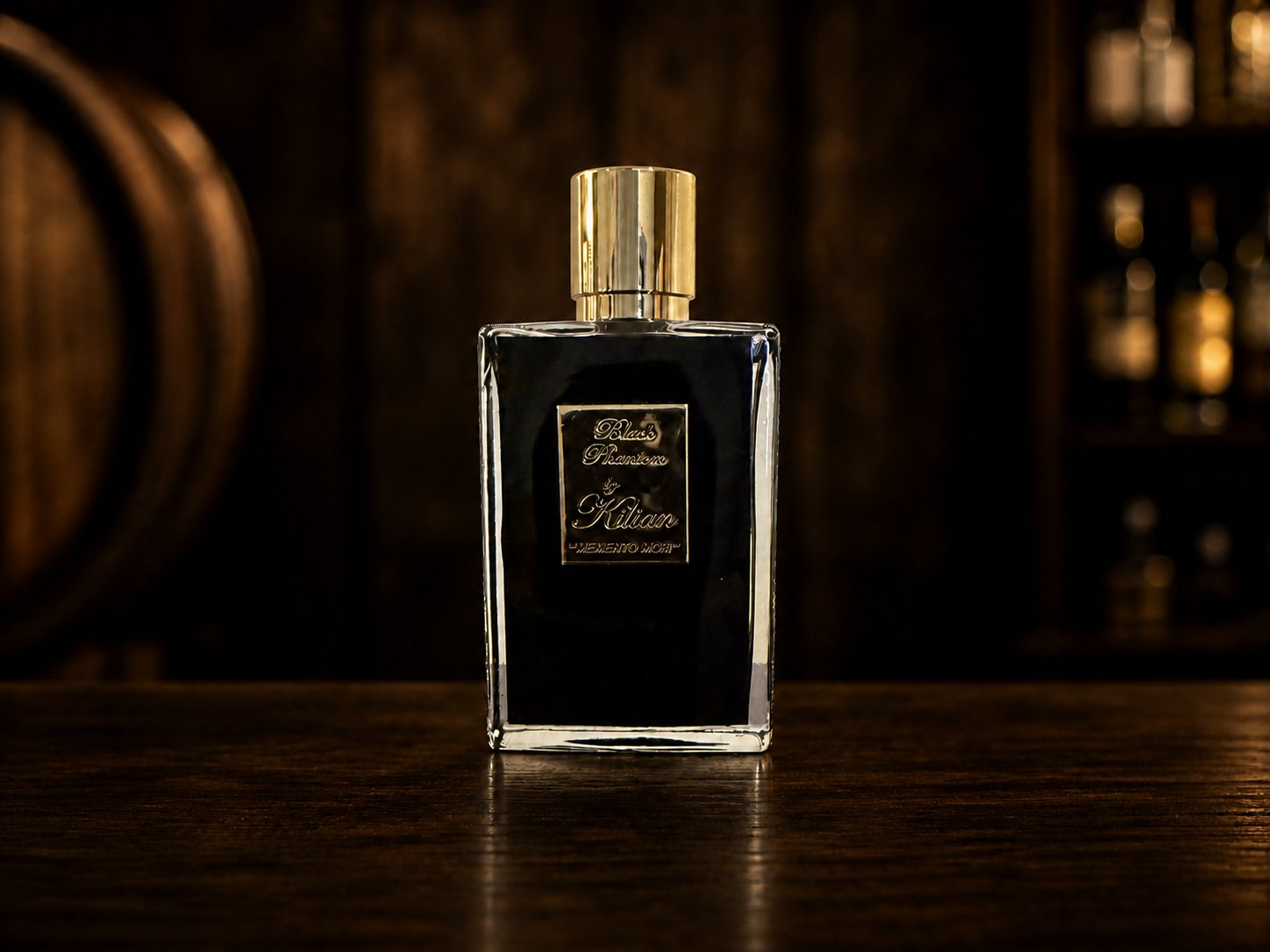
- Twelve rums sorted into four groups, three per group, one a recommendation rather than a bottle I own. The scent is Kilian Black Phantom, #33 in my collection, whose published notes name a Martinique rum accord and sugar cane, though its current published ingredient list names neither.

National Rum Day gets a different question than the ones this Journal has already answered. Not what rum tastes like. What is in it.
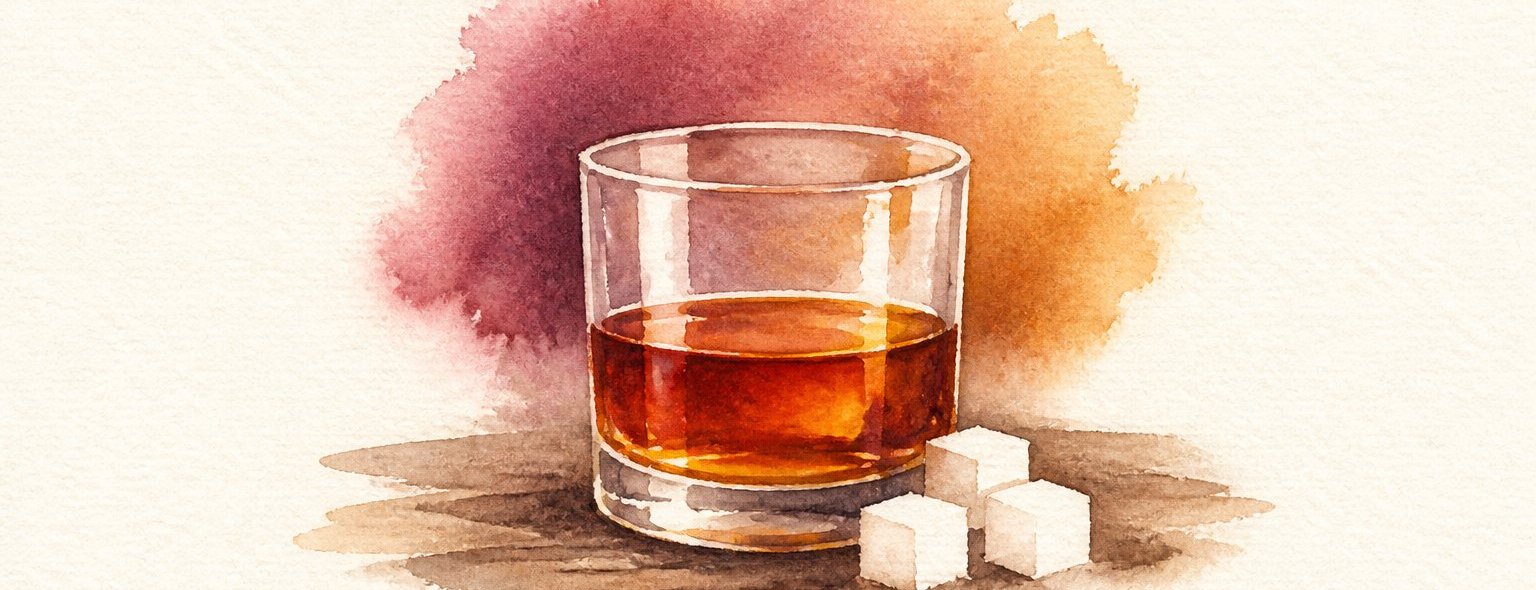
Under U.S. spirits rules, a general-use formula lets a rum producer add sugar, brown sugar, molasses, or caramel, alone or combined, up to two and a half percent by volume, about 18.75 milliliters in a 750 ml bottle, with nothing required on the label. The EU regulates rum differently: it generally permits sweetening up to 20 grams per liter, while rum bearing the terms traditionnel, tradicional, or agricultural must be unsweetened.
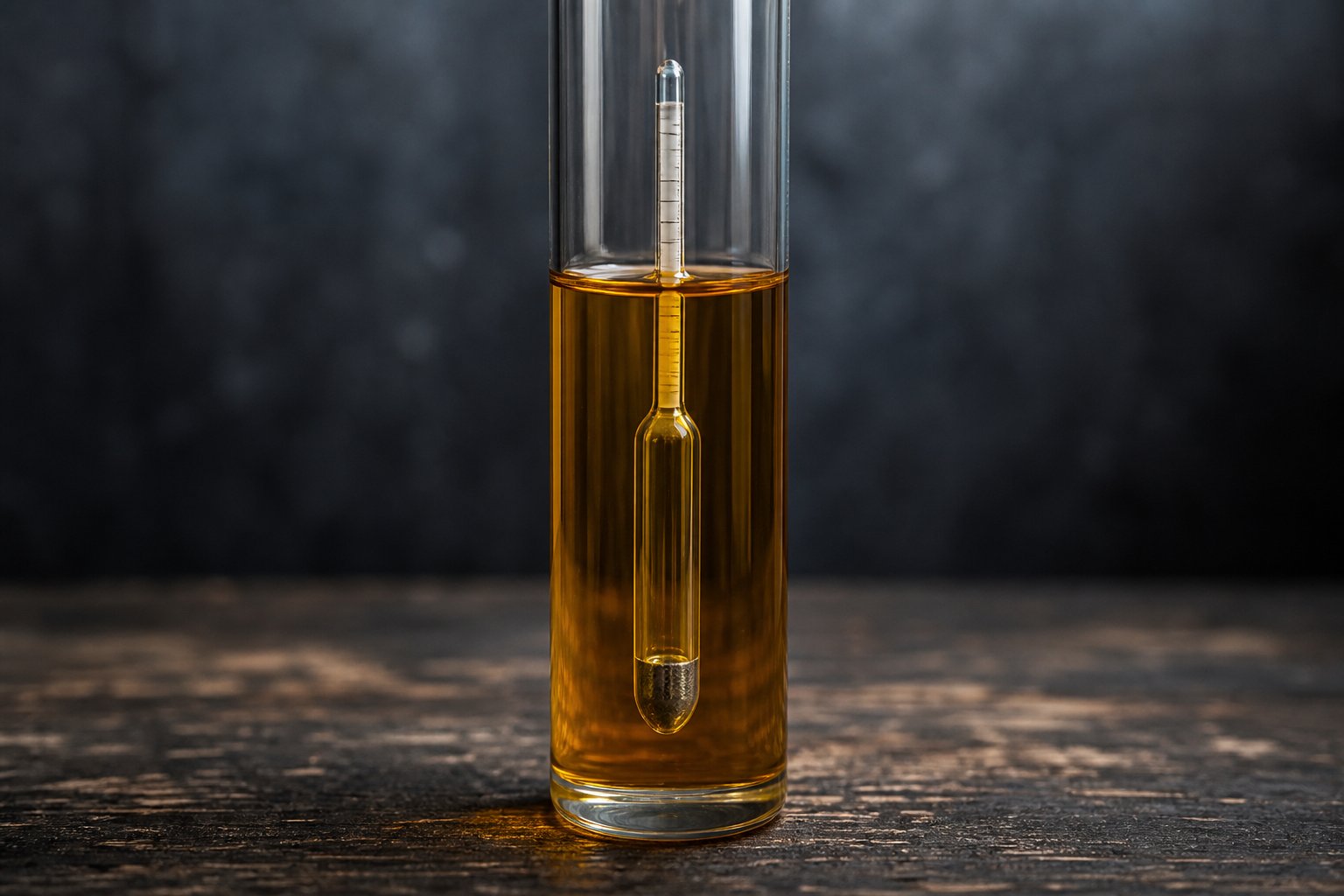
A widely cited public testing effort came from Danish hobbyist Johnny Drejer, who adapted a hydrometer method to rum. A hydrometer reads density, from which an apparent proof can be calculated. The method has real limits: it assumes the labeled ABV is accurate and the sample hasn't evaporated, and what it estimates is apparent extract, not confirmed sugar. Hydrometer estimates for older, pre-2020 El Dorado 12 bottlings ranged from roughly 35 to 45 grams per liter of apparent extract. Newer bottlings have produced hydrometer estimates near 6 g/L of apparent extract, with no public reformulation announcement I could find. Zacapa 23 has laboratory-measured sugar figures of 45 and 20 from different tests, alongside a hydrometer estimate of roughly 38.
Richard Seale of Foursquare has pointed out that the material isn't necessarily plain sugar. Sweet wines and concentrates can contribute extract too, and other flavoring materials may sit at levels a hydrometer can't identify. A hydrometer estimates apparent extract, not sugar. It can't identify a particular additive.
The Fight on Barbados
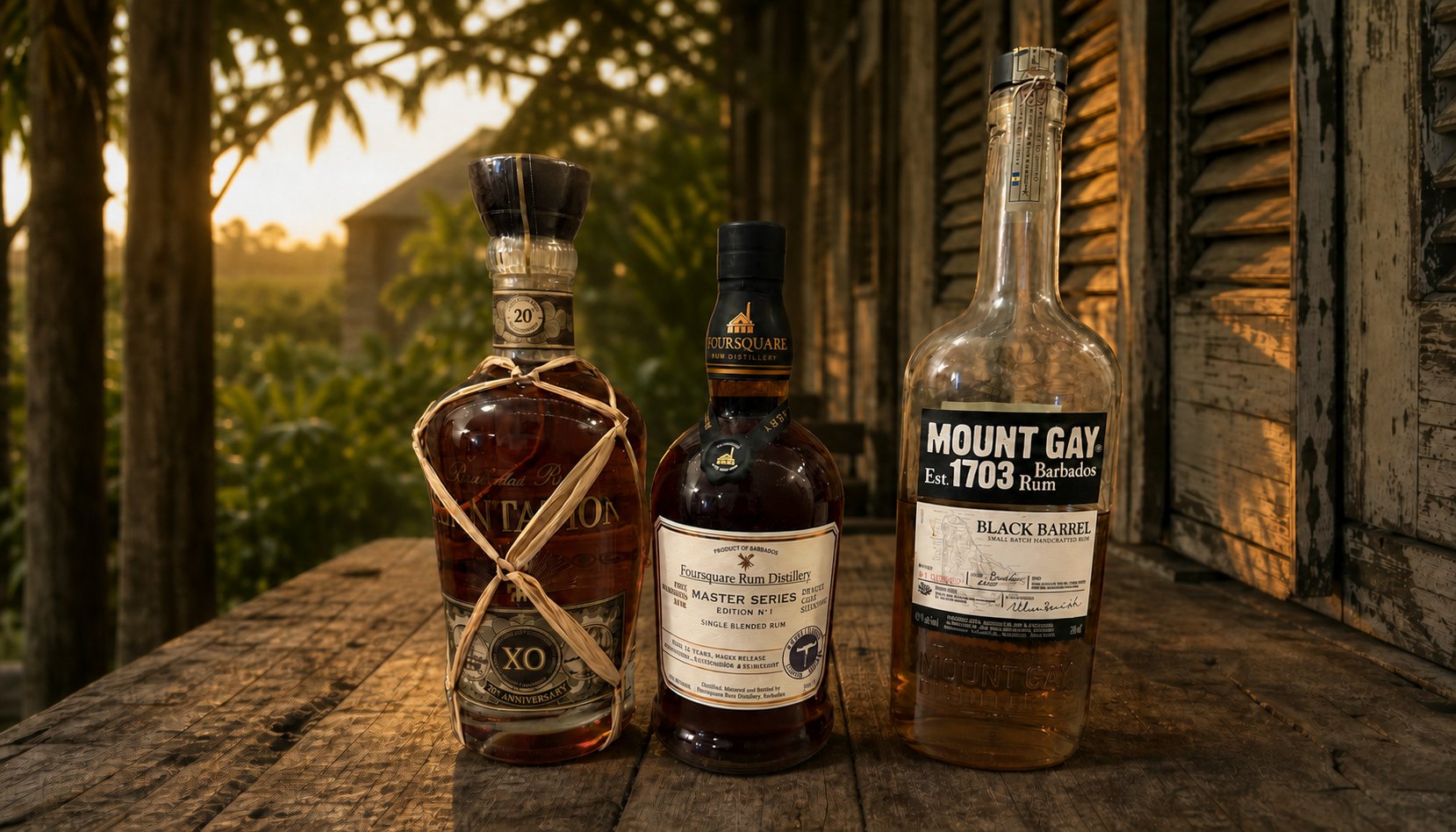
On July 15, 2022, Foursquare, Mount Gay, and St Nicholas Abbey, holding more than ninety percent of the island's aged stock, formally applied for a geographic indication requiring local aging and no added sugar. Maison Ferrand, which bought West Indies Rum Distillery in 2017 and also owns the Planteray brand, formerly Plantation, objected and didn't join. The dispute itself goes back roughly a decade, well before that filing gave it a formal shape. I own four Foursquare, a Mount Gay Black Barrel, and two Planterays, so the argument is sitting on my shelf either way.
Where the Rules Are Strict
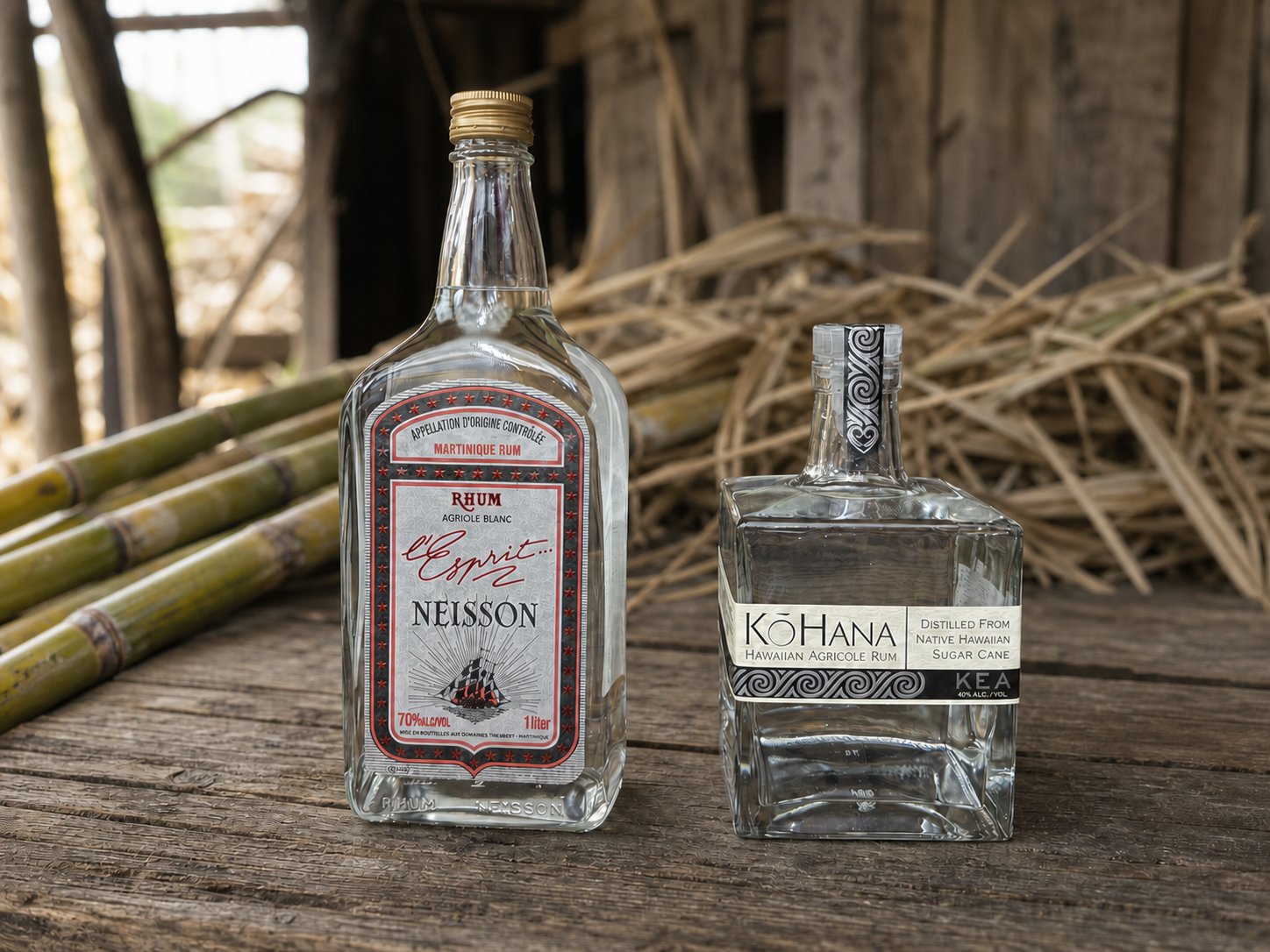
The Martinique AOC, created by decree in November 1996, requires fresh cane juice pressed without heating and forbids enriching it with molasses or sugar syrup. My Neisson L'Esprit Blanc sits inside that appellation. My Kō Hana Kea, a Hawaiian agricole rum from Oahu, is made the same cane-juice way with no appellation attached to it at all, proof the method travels a lot further than the paperwork does.
The scent is Kilian Black Phantom, #33 in my collection, released in 2017 and composed by Sidonie Lancesseur. Rum and caramel sit on top, coffee runs through the heart, and sugar cane anchors the base. Kilian's own copy names all three. But a note isn't an ingredient. Kilian's current online ingredient list folds the actual composition into a single word, Fragrance. A rum producer can leave up to 18.75 milliliters of permitted material off the label entirely. Different industries, parallel kinds of opacity.
Pour something neat tonight. If it is thick and sweet on the first sip and you were not expecting that, now you know one reason why.
All historical claims on this page are sourced in the full article.
Want the full story?
Read the Full Article →Pull up a chair.
New writing on fragrance, spirits, and cigars goes up multiple times a week. Subscribe free on Substack for the Bite-Sized Brief, or pay a nominal fee to read the full article.